
The luxury cosmetics industry: roles behind the products
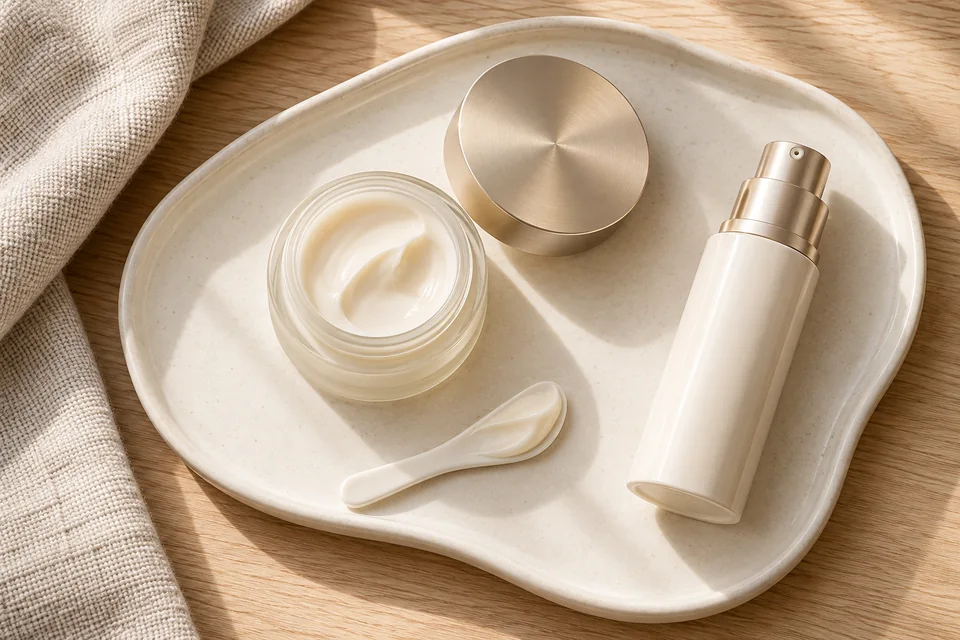
Trace the work behind a finished beauty reference
The cosmetics industry brings together ingredient sourcing, formula development, manufacturing, packaging and distribution. A luxury house may coordinate these activities while relying on specialist partners for particular stages. That organisation differs from the consumer market’s demand trends: it explains how products reach shelves, rather than simply how much customers spend on a category during a period.
Consider the practical dependencies across the supply chain
A packaging change can require compatibility work, while a new formula affects development and production planning. Fareva, Anjac and Aptar illustrate different industrial capabilities involved in beauty projects. For a professional enquiry, establish the role each partner will perform and the information it must supply instead of assuming that brand prestige removes ordinary manufacturing and coordination requirements.
Resources to explore further
Fareva
Fareva describes subcontracting across beauty and makeup, illustrating how a specialist manufacturer can contribute to the development and production of cosmetic goods.Anjac Health & Beauty
Anjac’s health and beauty expertise provides another industrial perspective on the collaboration needed to turn a cosmetic brief into a finished product.Aptar Beauty
Aptar’s beauty activity focuses on packaging and dispensing capabilities, showing a distinct industrial role alongside formulation and the manufacture of the contents.