
Acne-prone skin: cosmetics alongside treatment
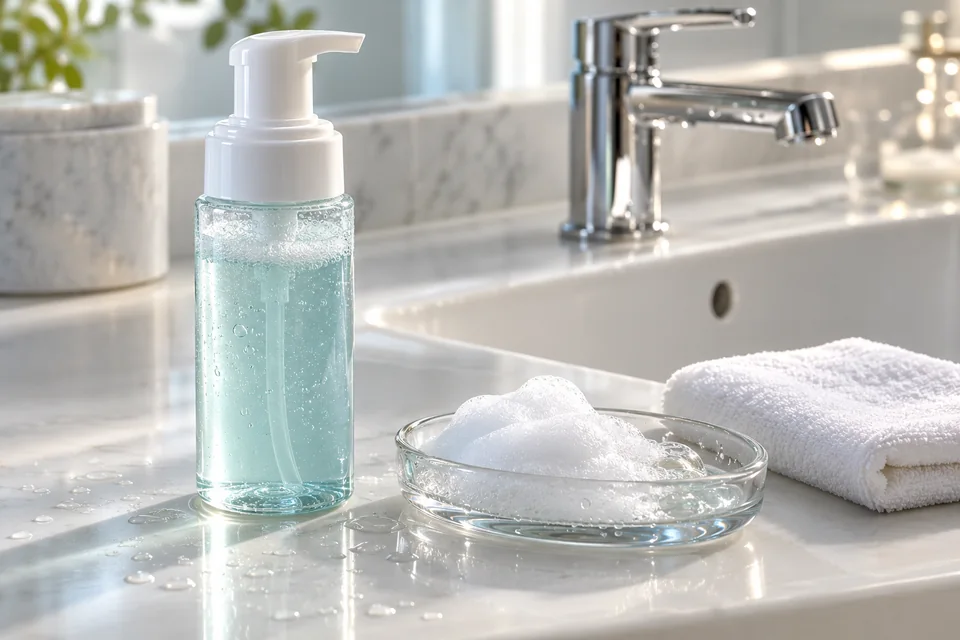
Luxury skincare does not replace acne treatment
Acne may require specific clinical management, particularly when it is painful or leaves marks. An expensive cream does not guarantee resolution. Cosmetics instead contribute cleansing, comfort and sometimes makeup coverage, with textures that should fit the recommendations of the professional overseeing care rather than being chosen solely through prestige positioning or advertising.
Read product labels without expecting absolute guarantees
A non-comedogenic indication can help identify products, but it does not promise that every user will remain free of all breakouts. Dermatologists advise avoiding rubbing and constantly changing treatments. Compare references patiently and notice drying effects, especially when a medical treatment is also part of the routine and may influence what the skin tolerates.
Resources to explore further
American Academy of Dermatology — acne care
Acne management guidance explains supportive habits and circumstances in which a dermatologist’s assessment is appropriate.La Roche-Posay — Effaclar
The Effaclar range provides products for acne-prone skin to examine separately from any prescribed medical treatment.Clinique — soins
Clinique’s catalogue provides skincare references and their directions for comparing comfort textures and cleansing options.