
Teen skincare: a simple routine before luxury products
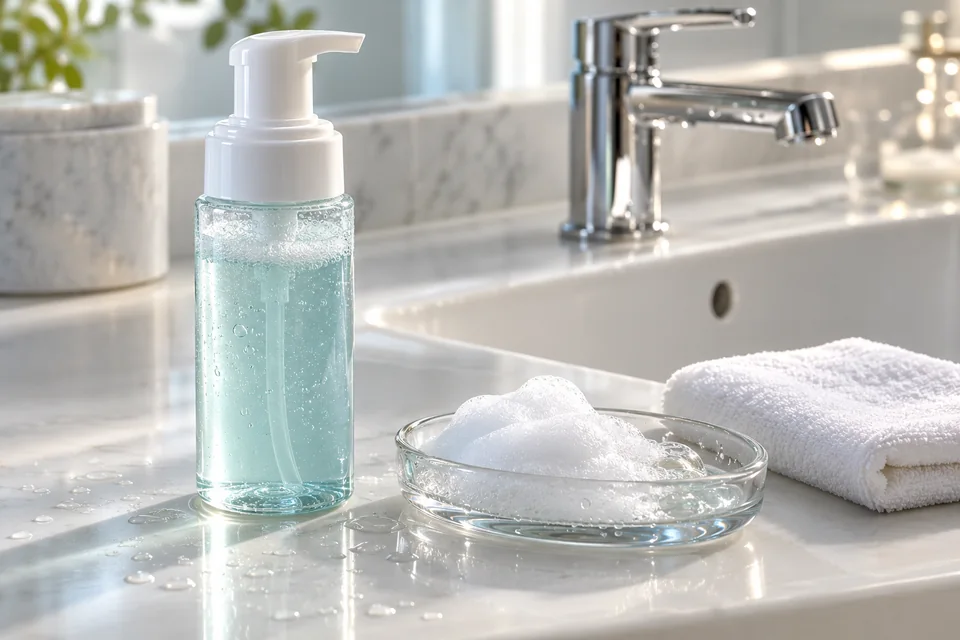
Prestige packaging should not complicate a young routine
During adolescence, luxurious presentation does not create a need for anti-ageing products or multiple exfoliating layers. Dermatological guidance favours simple steps matched to observed needs. Gentle cleansing, moisturising and sun protection provide more useful reference points than collecting active ingredients because a complicated routine has become popular on social media.
Recognise when cosmetic shopping is no longer enough
Painful, persistent or marking breakouts deserve medical assessment instead of repeated experiments with new products. Skincare intended for acne-prone complexions may support a routine without replacing treatment. Teenagers also need clear instructions they can follow consistently, with adult support where helpful, rather than a large collection of formulas whose purposes are difficult to distinguish.
Resources to explore further
American Academy of Dermatology — age-appropriate care
This age-focused dermatological guide explains why an appropriate routine matters more than anti-ageing actives for younger users.La Roche-Posay — Effaclar
Effaclar presents a range for oily and acne-prone skin, with intended uses to be checked for each individual product.American Academy of Dermatology — acne care
Acne guidance helps distinguish everyday skincare from situations requiring a dermatologist’s assessment and a suitable treatment plan.