
Centella in cosmetics: extracts, cica and asiaticoside
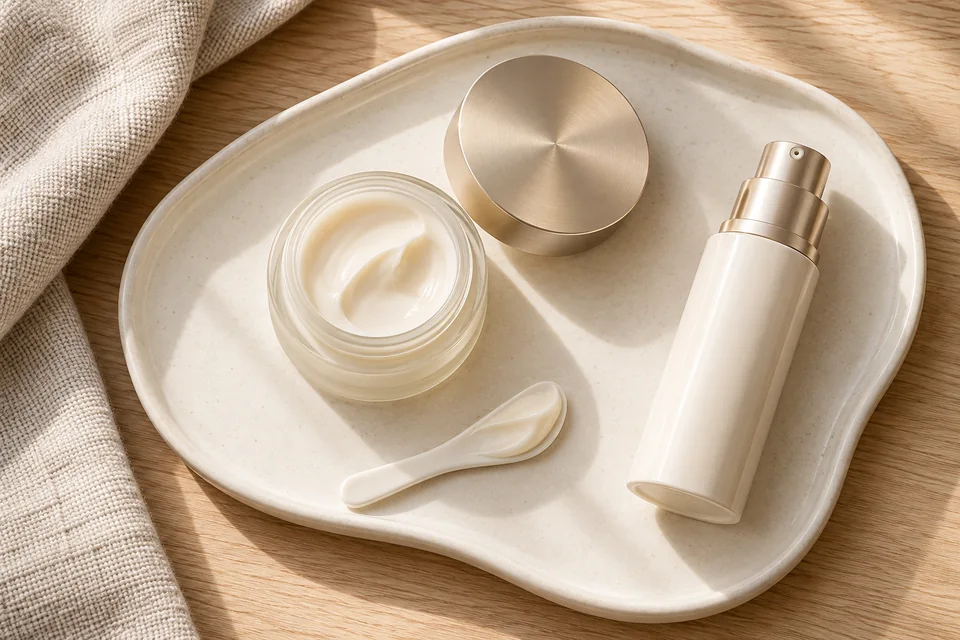
Cica can describe different formulation approaches
A cica label may accompany skincare containing Centella asiatica, but it does not describe one identical recipe. Botanical extract and an isolated molecule such as asiaticoside are different entries to look for in the composition. Their presence helps explain a product’s direction without making it possible to calculate effectiveness from the collection’s name alone.
Keeping expectations within the scope of skincare
Comfort, hydration and appearance claims should be assessed for each finished formula. A centella serum does not become a wound-care product because the plant has other studied applications. Texture, accompanying ingredients and directions remain decisive, particularly when skin already shows persistent irritation that calls for professional assessment beyond choosing another cosmetic product.
Resources to explore further
The Ordinary
The Ordinary identifies asiaticoside as a molecule isolated from Centella asiatica, clarifying how this ingredient differs from the whole botanical extract.Paula’s Choice
Paula’s Choice introduces Centella asiatica and its relationship with cica skincare, explaining the components highlighted within this botanical ingredient family.SKIN1004
SKIN1004 lists the composition and claimed appearance benefits of its centella ampoule, supplying a concrete finished-formula example for comparison.