
Hydrating ingredients
Hyaluronic acid: hydration and interpreting formulas
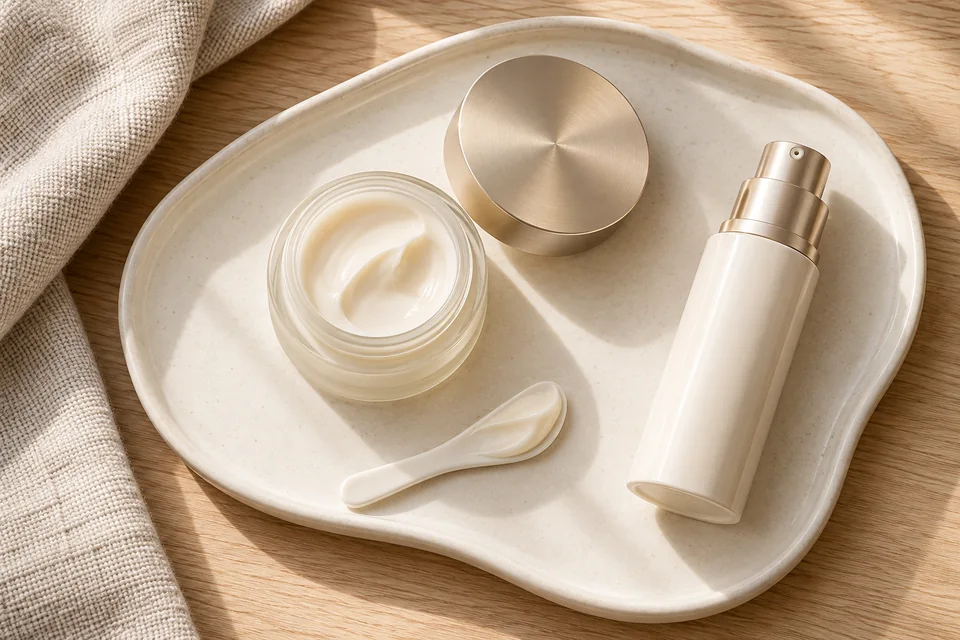
An ingredient valued for binding water
Hyaluronic acid and forms such as sodium hyaluronate are used for their water-binding properties. A formula may combine several versions without their number alone predicting the outcome. Texture, other humectants and comfort-supporting components work together to create the experience of a hydrating cream or serum used on the skin.
Keeping plumping claims in perspective
A more supple appearance from hydration is not equivalent to the effect of an injectable product, which belongs to a different context. Compare stated cosmetic results and tolerance of the complete formula. A highlighted percentage may describe a solution or complex, so request clarification when presentation suggests a straightforward comparison between products that may differ fundamentally.
Resources to explore further
The Ordinary
The Ordinary explains sodium hyaluronate and hydration properties associated with forms of hyaluronic acid used within topical skincare products.The Ordinary
The Ordinary’s hyaluronic acid and ceramide formula provides an example of combined ingredients rather than an active considered in isolation.The Ordinary
The glossary entry for fermented hyaluronic acid clarifies this particular form and the cosmetic applications described for it by the brand.