
Formulas and claims
Gluten-free cosmetics: practical questions to ask
Distinguish coeliac disease from a skin reaction
Coeliac UK explains that gluten causes problems in coeliac disease when ingested rather than absorbed through the skin. A reaction to a cosmetic may involve a different sensitivity. Clarify the question before excluding many products: coeliac disease, wheat allergy and irritation are not interchangeable situations and do not automatically require the same response.
Ask a targeted question about an exact reference
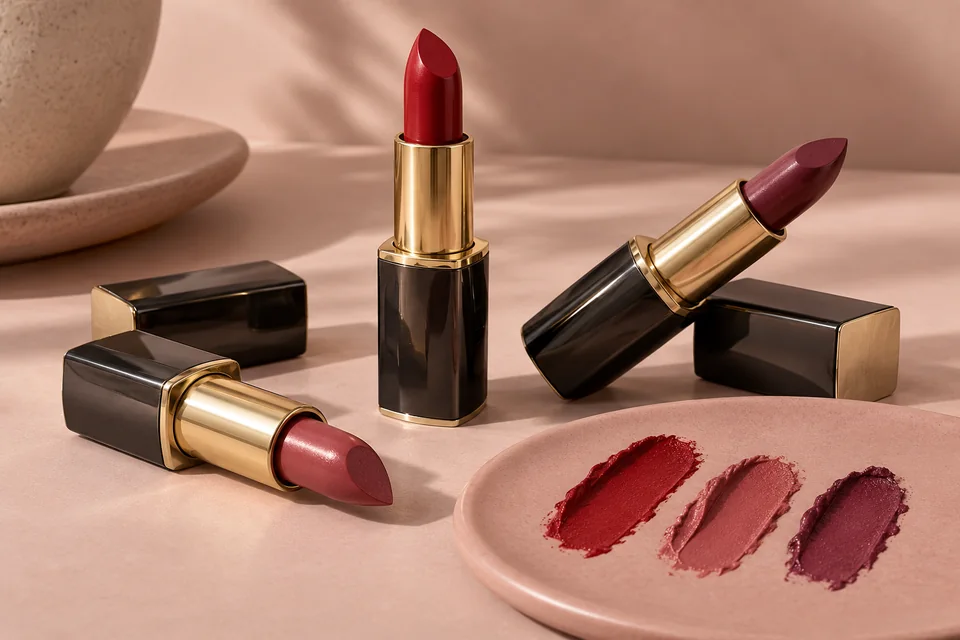
Concerns about a balm or lipstick can be discussed with its manufacturer and the professional overseeing your care. Request information about the exact formula rather than a statement about an entire brand. Gluten-free wording on selected shampoos describes a formulation choice; it does not demonstrate that other shampoos are incompatible with coeliac disease.
Resources to explore further
Coeliac UK — gluten and cosmetics
Coeliac UK explicitly addresses cosmetics and gluten, distinguishing ingestion from skin contact in the context of coeliac disease.Aveda — Be Curly Advanced
Be Curly Advanced shampoo provides an example of gluten-free wording as a declared characteristic of this particular reference.FDA — allergens in cosmetics
Cosmetic allergy information helps distinguish an ingredient reaction from a question specifically concerning coeliac disease.