
Formulas and claims
Mineral-oil-free cosmetics: comparing alternatives
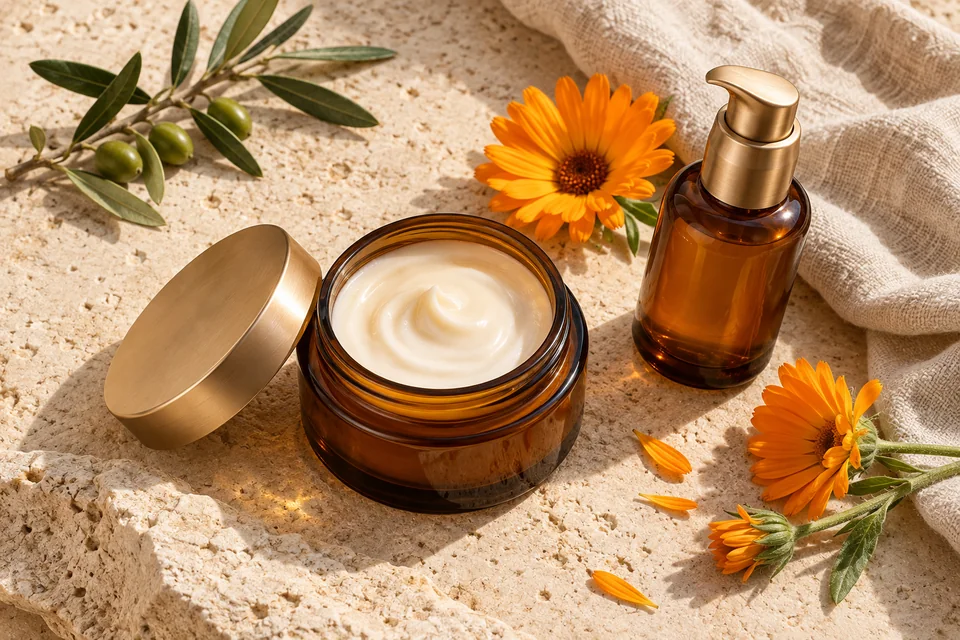
Clarify the formulation preference behind the search
Looking for skincare without mineral oils may reflect a preference about ingredients or texture. Their absence alone does not demonstrate that a product is better for everyone. Identify what you want to change in the experience of using a formula, then review the full ingredient list rather than one isolated front-of-pack argument.
Compare emollients within the finished formulation
Plant oils, esters and other emollients create varied textures according to their combinations. Origin alone cannot predict comfort or tolerance. A brand’s commitments may guide the search but should be connected with the selected reference; a formula described as natural can also contain ingredients to which a particular person reacts.
Resources to explore further
INIKA Organic — ingredient promise
INIKA’s commitments list mineral oils among formulation exclusions; this is information about the manufacturer’s declared ingredient choices.Aveda — Color Control
The Color Control page presents a haircare reference stated to contain no mineral oil, with a clearly identified cleansing function.Commission européenne — allégations cosmétiques
European claims principles help prevent the absence of an ingredient being turned into a broad judgement of inherent danger.