
Formulation bases
Water-based cosmetics: understanding the aqueous phase
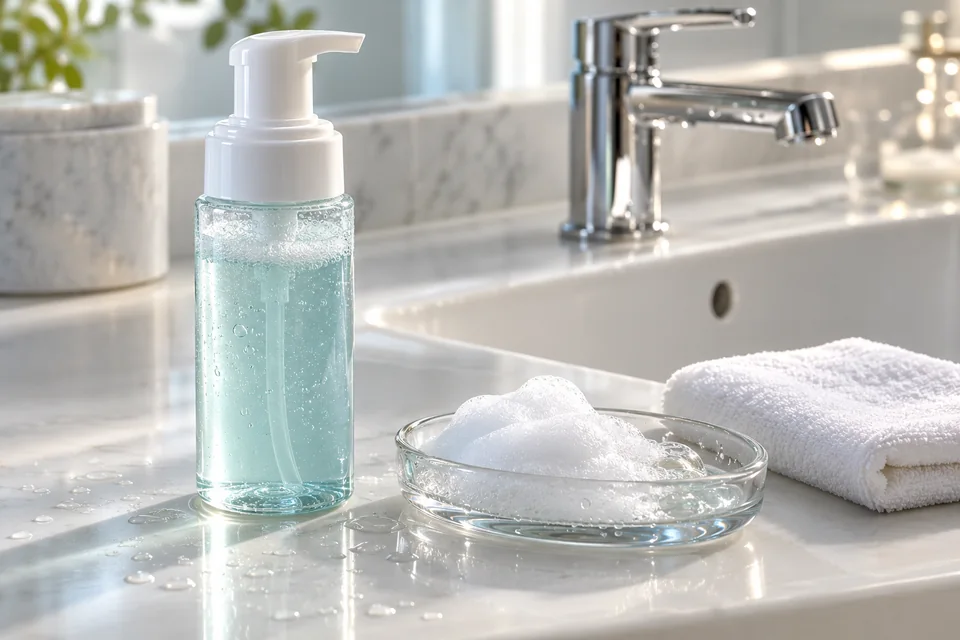
Water is part of the formula’s structure
In a lotion or emulsion, water can provide a medium for soluble ingredients and contribute to the intended texture. A substantial amount does not make a product uninteresting. Performance also depends on humectants, phase organisation and overall stability, none of which is fully described by the position of Aqua on the ingredient list.
Comparing complete formulas instead of one percentage
Micellar water, gel and cream can share an aqueous base while serving different purposes. Examine directions and accompanying ingredients before drawing conclusions about richness. A water-containing product needs controlled preservation; adding liquid at home changes the balance established by its manufacturer rather than simply making the original formula feel lighter.
Resources to explore further
Croda Beauty
Croda’s micellar-water example shows how an aqueous base is organised around cleansing agents and other functional components of the formula.Croda Beauty
Croda’s technical lotion illustrates a product in which several ingredient families contribute to a structured and moisturising cosmetic texture.Croda Beauty
Croda explains formulation-ingredient functions that help place water within the broader architecture of a finished cosmetic product.