
K-Beauty Luxury Korean Cosmetics: The Complete Guide to High-End Korean Beauty
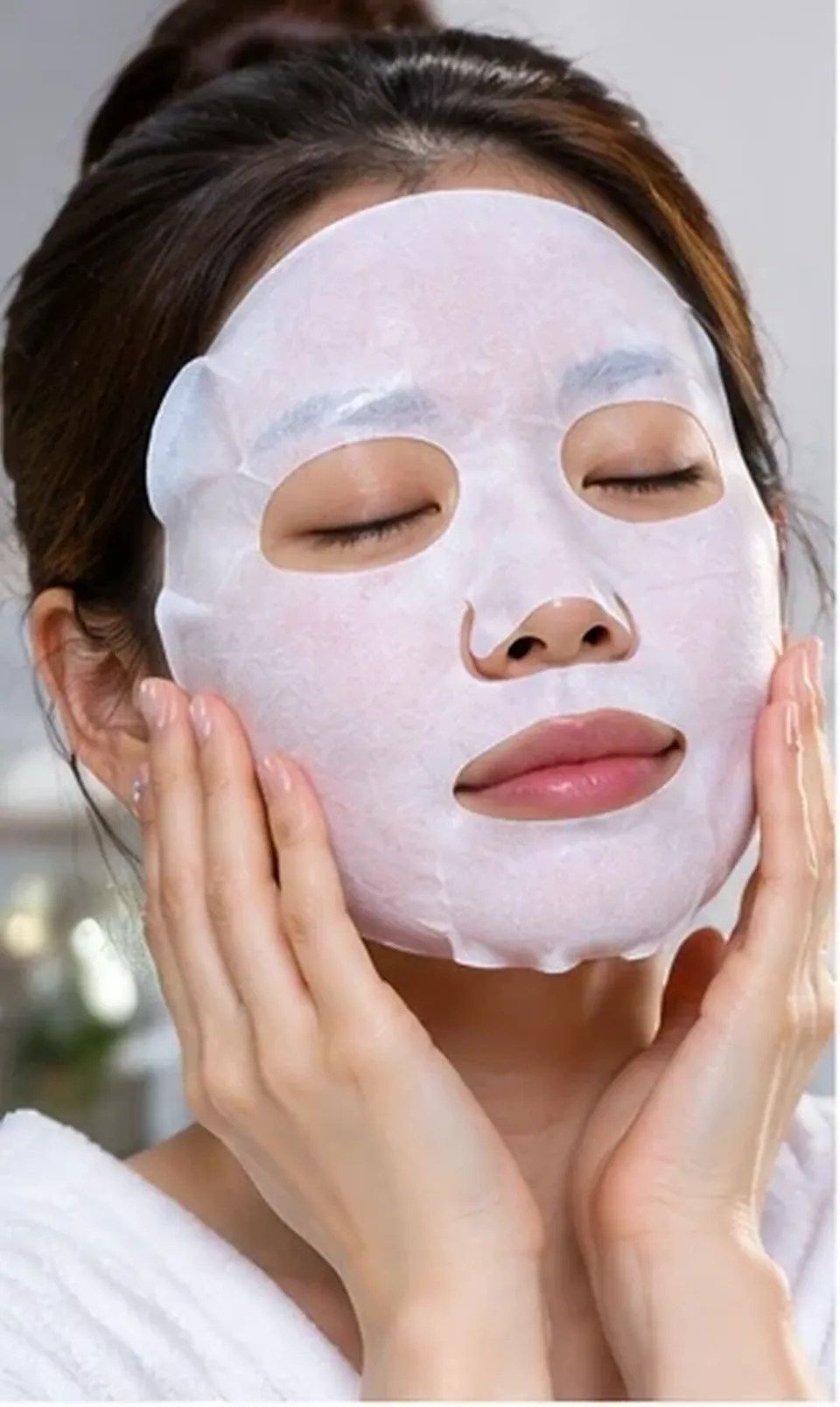
What K-Beauty luxury Korean cosmetics are
K-Beauty luxury Korean cosmetics are the high-end skincare, make-up and body and hair products created by Korean houses that combine a long tradition of botanical knowledge with advanced formulation science. The expression K-Beauty simply means Korean beauty; the luxury qualifier narrows it to prestige brands such as Sulwhasoo, The History of Whoo, Amorepacific, Sum37°, O HUI, Hera and Isa Knox, which sit far above the mass-market and pharmacy ranges that made Korean skincare famous worldwide.
What follows is a starting point for anyone who wants to understand luxury Korean skincare as a whole before looking at individual product types. It explains how the universe is organised, what a Korean routine looks like, how to choose carefully at the top end of the market, where the heritage comes from and which mistakes are worth avoiding.
Three ideas recur throughout. First, Korean luxury is routine-driven: products are designed to work as a sequence, not as isolated miracles. Second, texture matters as much as ingredients, with light, layered, hydrating formulas that suit most climates. Third, restraint is part of the culture: gentle handling of the skin, daily sun protection and patience count for more than any single jar.
The nine families of luxury Korean skincare and beauty
A useful way to read the high-end Korean beauty universe is through nine families, each with its own role. Knowing them helps you build a routine without buying duplicates.
- Cleansing and make-up removal. The opening of the routine: oils, balms and gentle foaming or gel formulas that remove sunscreen, pigment and impurities without stripping the skin.
- Toners, lotions and essences. Watery, layered steps that rehydrate straight after cleansing and prepare the skin for what follows. Korean toners are generally about comfort and moisture rather than astringency.
- Serums and ampoules. Concentrated treatments carrying the most active or most refined ingredients, applied in small quantities and chosen for a specific skin concern.
- Creams and emulsions. The sealing step, from airy emulsions to rich night creams, intended to hold moisture in and support the skin barrier.
- Masks and intensive care. Sheet masks, sleeping masks and wash-off formulas used once or a few times a week as a supplement rather than a daily necessity.
- Targeted skincare for eyes, lips and neck. Smaller, more delicate areas that receive specially textured products, because the skin there is thinner and more reactive.
- Sun protection and complexion. Daily filters with elegant, non-chalky finishes, often blended with tone-correcting or skin-perfecting properties.
- Make-up and cosmetics. Cushion foundations, lip colours, mascara and brow products that follow the same "skin first" philosophy as the skincare.
- Body and hair care. Fragranced body treatments and scalp and hair formulas that extend the same botanical and fermented know-how beyond the face.
Each family deserves its own reading, and the directory that follows gathers the detailed pages. Here the goal is an overview of K-Beauty luxury Korean cosmetics: which families are essential, which are optional and how they fit together.
The luxury K-beauty routine step by step
A luxury K-beauty routine is often described as a sequence of ten steps, but that number is a popular simplification rather than a rule. Most people who follow Korean skincare seriously adapt it, using five or six well-chosen steps in the morning and a slightly longer evening ritual.
- Oil or balm cleanser in the evening to dissolve sunscreen and make-up.
- Water-based cleanser to remove the remaining residue; this pairing is the double cleanse.
- Toner or essence pressed into damp skin with clean hands to restore water content.
- Serum or ampoule targeted at one priority, such as dryness, dullness or uneven texture.
- Eye care applied gently around the orbital bone with the ring finger.
- Cream or emulsion to seal the layers in.
- Sun protection every morning as the final skincare step before make-up.
Masks sit outside this daily line-up. They are an occasional extra, used when the skin feels tired or dehydrated, and they should never replace the basics. Order always runs from the thinnest texture to the richest, and each layer needs a moment to settle before the next. That patience is part of the Korean approach: the skin is treated as something to be cared for steadily, not corrected in a hurry.
Why luxury Korean skincare is built around layering
Luxury Korean skincare relies on layering because thin, hydrating products absorb better and feel more comfortable than a single heavy formula. Instead of one dense cream doing everything, a Korean luxury routine distributes the work across several light textures. Each step contributes a little moisture, a little care and a little protection.
This is also why the high-end Korean beauty approach suits so many different climates and skin types. A person with dry skin can add a second layer of essence or a richer cream, while someone with combination skin can keep the same steps but choose lighter emulsions. The structure stays; only the textures change.
Layering does have limits. Too many products at once can overload skin that is sensitive or reactive, and it increases the chance of an unnoticed irritation. A sensible luxury K-beauty routine adds one new product at a time and leaves a gap of a couple of weeks before judging how it behaves.
Heritage and know-how: ginseng, fermentation and botanicals
The identity of Korean luxury cosmetics draws heavily on traditional Korean herbal knowledge, known as hanbang. Ginseng is the best-known example: it has a long place in Korean traditional medicine and has been adopted by several prestige houses as a signature ingredient. Sulwhasoo, which belongs to the Amorepacific group, is widely associated with ginseng-based and herbal formulation, and The History of Whoo positions itself around royal-court inspiration and traditional Korean ingredients.
Fermentation is another recurring theme. Fermented ingredients and ferments of plants and grains appear in many Korean skincare ranges, and brands present them as a way to refine raw materials. It is worth remembering that the term describes a manufacturing approach, not a guarantee of any particular effect, and that results vary from person to person.
Plants such as camellia, green tea, lotus, rice and pine are also familiar in this landscape, as are Jeju Island botanicals in some ranges. As in any beauty tradition, marketing stories and verified science are different things. Reading the ingredient list and the manufacturer's own explanation will tell you more than a poetic brand narrative.
How to choose luxury Korean cosmetics with confidence
Choosing luxury Korean skincare is easier when you start from your skin and your routine rather than from a brand name. A few practical criteria help.
- Skin type and sensitivity. Decide whether your skin is dry, oily, combination or reactive, and read the manufacturer's recommendation for each product.
- Texture and climate. Humid summers favour gels and light emulsions; cold, dry winters call for richer creams and an extra layer of essence.
- Ingredient list. Look at the full list, not only the headline ingredient, and check for fragrance or botanical extracts if you tend to react.
- Authenticity. Buy from the official brand boutique or an authorised luxury retailer, because high-end Korean products are widely imitated.
- Packaging and storage. Pump bottles and airtight jars protect delicate formulas; note the period-after-opening symbol and respect it.
- Number of steps. Start with cleansing, a hydrating step, a cream and a sun filter, then add specialised products only when a clear need appears.
Price is not a reliable guide to suitability. A prestige product can be a wonderful experience, yet a restrained routine of three or four carefully chosen items will usually serve the skin better than a shelf full of unfinished jars.
Sensitive skin and safety precautions
Sensitive skin needs particular attention with any high-end Korean beauty routine, because luxury formulas often contain botanical extracts, essential oils or fragrance that can trigger reactions in some people. Natural origin does not mean hypoallergenic.
- Patch-test every new product on a small area, such as the inner forearm or behind the ear, and wait at least 24 hours.
- Introduce one new item at a time so you can identify the cause if redness or stinging appears.
- Stop using a product at once if irritation develops, and consult a pharmacist, doctor or dermatologist if it persists.
- Follow the manufacturer's instructions for frequency, especially for masks and concentrated serums.
- Be cautious with any product that mentions brightening, spots or sun protection, and follow the maker's directions rather than assuming a result.
- If you are pregnant, have a skin condition or are using prescribed treatments, ask a health professional before changing your routine.
Sun protection deserves a separate word. A filter works only when applied in the quantity and at the frequency the manufacturer recommends, and no cosmetic replaces shade, clothing and common sense in strong sunlight.
Common mistakes in a luxury K-beauty routine
Most disappointments with luxury Korean cosmetics come from habits rather than from the products themselves. These are the mistakes that appear most often.
- Copying the long routine blindly. A ten-step sequence is a template, not an obligation, and more layers do not mean a better result.
- Skipping daily sun protection. Many Korean routines are organised around protecting the skin in the morning; leaving it out undermines the rest.
- Using several actives together. Combining multiple concentrated serums can irritate the skin; introduce them gradually.
- Rubbing instead of pressing. Korean technique favours gentle patting, which respects the skin and reduces friction.
- Ignoring expiry and storage. Heat, light and open air shorten the life of refined formulas.
- Buying from unknown sellers. Counterfeits are a real risk for prestige labels and may contain unlisted ingredients.
- Expecting instant change. Skin responds over weeks, and judging a product after two days is rarely fair.
Avoiding these errors, which affect K-Beauty luxury Korean cosmetics as much as any other category, makes a luxury K-beauty routine calmer, simpler and more enjoyable, which is very much in the spirit of Korean skincare.
Frequently asked questions
What does K-Beauty luxury Korean cosmetics mean?
It refers to prestige skincare, make-up and body and hair products from Korean houses that blend traditional botanical knowledge with modern formulation. The luxury label separates them from mass-market Korean ranges.
Is a luxury Korean skincare routine always ten steps long?
No. The ten-step sequence is a popular simplification. Many people use four to six steps, such as a cleanser, a hydrating toner or essence, a serum, a cream and a sun filter, and add extras only when needed.
Which Korean luxury brands are best known?
Sulwhasoo, The History of Whoo, Amorepacific, Sum37°, O HUI, Hera and Isa Knox are among the prestige names. Each has its own style, so reading the manufacturer's own information helps you judge what suits you.
Is luxury Korean skincare suitable for sensitive skin?
It can be, but sensitivity varies. Many formulas contain botanical extracts or fragrance, so patch-test first, introduce one product at a time and seek professional advice if irritation continues.
Where should I buy high-end Korean beauty products?
Choose the official brand boutique or an authorised luxury retailer. This lowers the risk of counterfeits and gives you reliable information on ingredients and storage.
All K-Beauty pages
Cleansing and makeup removal
- Luxury Korean Cleansing Oil (Keullenjing Oil)
- Luxury Korean Cleansing Balm (Keullenjing Bam)
- Luxury Korean Cleansing Foam (Keullenjing Pom)
- Luxury Korean Cleansing Gel (Keullenjing Jel)
- Luxury Korean Cleansing Cream (Keullenjing Keurim)
- Luxury Korean Cleansing Water (Keullenjing Woteo)
- Luxury Korean Facial Exfoliator (Gakjil Jegeoje)
- Luxury Korean Enzyme Peel (Enjaim Pilling)
Toners, lotions and essences
- Luxury Korean Hydrating Toner (Subun Toneo)
- Luxury Korean Milky Toner (Milkeu Toneo)
- Luxury Korean Exfoliating Toner (Gakjil Toneo)
- Luxury Korean Toner Pads (Toneo Paedeu)
- Luxury Korean Facial Essence (Esenseu)
- Luxury Korean Fermented Essence (Balhyo Esenseu)
- Luxury Korean Preparing Skin Lotion (Seukin)
- Luxury Korean Hydrating Mist (Subun Miseuteu)
Serums and ampoules
- Luxury Korean Hydrating Serum (Subun Sereom)
- Luxury Korean Anti-Ageing Serum (Antieijing Sereom)
- Luxury Korean Firming Serum (Tallyeok Sereom)
- Luxury Korean Glow Serum (Gwangchae Sereom)
- Luxury Korean Dark Spot Serum (Japti Sereom)
- Luxury Korean Skin Barrier Serum (Pibu Jangbyeok)
- Luxury Korean Concentrated Ampoule (Gonongchuk Aempeul)
- Luxury Korean Revitalizing Ampoule (Hwallyeok Aempeul)
- Luxury Korean Booster Serum (Buseuteo Sereom)
Creams and emulsions
- Luxury Korean Moisturising Cream (Subun Keurim) Explained
- Premium Korean Anti-Ageing Cream (Anti Eijing Keurim)
- Luxury Korean Firming Cream (Tallyeok Keurim)
- Luxury Korean Nourishing Cream (Yeongyang Keurim) Explained
- Luxury Korean Night Cream (Naiteu Keurim)
- Luxury Korean Brightening Cream (Mibaek Keurim) for Radiance
- Luxury Korean Soothing Cream (Jinjeong Keurim) for Delicate Skin
- Luxury Korean Hydrating Gel Cream (Subun Jel Keurim)
- Luxury Korean Facial Emulsion (Emeoljeon)
- Luxury Korean Repair Balm (Ripeeo Bam)
Masks and intensive care
Targeted skincare
- Luxury Korean Eye Cream (Ai Keurim)
- Luxury Korean Eye Serum (Ai Sereom)
- Luxury Korean Eye Patches (Ai Paechi)
- Luxury Korean Neck Cream (Nek Keurim)
- Luxury Korean Lip Balm (Rip Bam)
- Luxury Korean Overnight Lip Mask (Rip Seulliping Maseukeu) Explained
- Luxury Korean Blemish Treatment (Teureobeul Keeo)
- Luxury Korean Blemish Patches (Teureobeul Paechi)
Sun protection
Makeup and cosmetics
- Luxury Korean cushion foundation
- Luxury Korean BB cream
- Luxury Korean CC cream
- Luxury Korean Makeup Base
- Luxury Korean Concealer
- Luxury Korean Finishing Powder
- Luxury Korean Blush
- Luxury Korean Lipstick
- Luxury Korean Lip Tint
- Luxury Korean Lip Gloss
- Luxury Korean Eyeshadow Palette
- Luxury Korean Mascara
- Luxury Korean Eyebrow Pencil
Body and hair care
- Luxury Korean Body Lotion
- Luxury Korean Body Cream
- Luxury Korean Body Oil
- Luxury Korean Body Scrub
- Luxury Korean Hand Cream
- Luxury Korean Foot Cream (Put Keurim)
- Luxury Korean Shampoo (Syampu)
- Luxury Korean Hair Mask (Heeo Paek)
- Luxury Korean Hair Serum (Heeo Sereom)
- Luxury Korean Scalp Treatment (Dupi Keeo)
Resources to explore further
Sulwhasoo: international skincare collection
The international home of Sulwhasoo, presenting its face care, creams, serums and masks inspired by Korean herbal tradition.