
Luxury Korean Cleansing Water (Keullenjing Woteo): Soft Makeup Removal
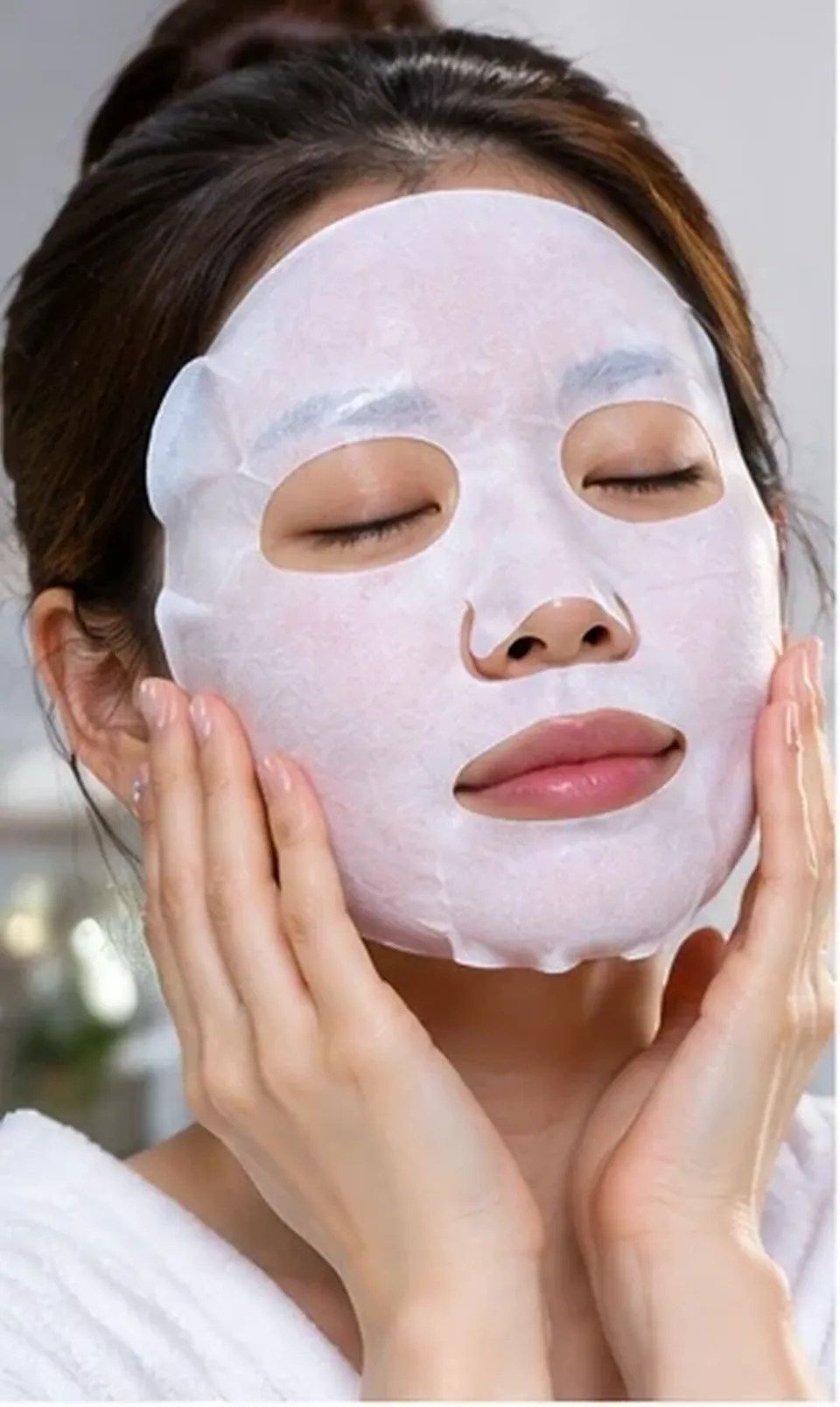
What a luxury Korean cleansing water is
A luxury Korean cleansing water is a thin, clear, water-like cleanser that removes light makeup, sunscreen and daily impurities when swept over the face with a cotton pad. The Korean name is keullenjing woteo. Most versions rely on micelles, tiny clusters of mild cleansing molecules that attract oil and dirt in the same way a magnet gathers iron filings.
Its appeal is simplicity. There is no lather to build, no balm to melt and often no need for a rinse, depending on the formula. That makes it popular for mornings, for travel and for quick refreshes of the face during a busy day.
The refined versions sold by Korean luxury houses put the emphasis on gentleness, a soft after-feel and low-key fragrance, and they are usually presented in heavy glass bottles intended to stay on a dressing table.
How micellar action works in a Korean formula
Micelles form when mild surfactant molecules gather in water, with their oil-loving ends pointing inwards and their water-loving ends pointing outwards. When the liquid touches the skin, the oil-loving core attracts sebum and makeup, and the cotton pad lifts them away.
Korean formulas often combine this principle with humectants and soothing extracts so that the skin feels comfortable instead of dry. You may see glycerin, panthenol-type ingredients, centella, green tea or mild plant waters on the label.
Because the cleansing agents stay on the skin unless you rinse, a quality formula should be gentle enough to tolerate this. Some makers recommend a short rinse or a follow-up cleanser; others state that no rinse is needed. Follow the specific instruction on your own bottle rather than assuming.
Skin types that suit a refined Korean cleansing water
Sensitive, dry and normal skin often like a premium Korean cleansing water, a format that avoids friction and lather. Combination skin can use it too, particularly as a morning refresh. Oily skin may prefer to follow it with a gel or foam for a deeper sense of cleanliness.
People who wear contact lenses or have sensitive eyes should be careful, since cleansing water is often used around the eye area. Choose a product that the maker states is suitable for the eyes, and keep the eyes closed while the pad rests on the lids.
Fragrance and plant extracts can irritate some people, so a patch test on the inner forearm is a sensible first step. If redness, itching or stinging appears, stop using the product and consult a pharmacist or dermatologist. This is cosmetic guidance, not medical advice.
How to use a Korean cleansing water
The gesture is gentle and quick, but a few details matter.
- Soak a soft cotton pad generously, because a dry pad drags on the skin.
- Rest the pad over the closed eye for several seconds so the formula can dissolve the makeup.
- Wipe softly outwards, without rubbing.
- Use a fresh pad for the cheeks, forehead, nose and chin.
- Continue until the pad comes away clean.
- Rinse or follow with a cleanser if the maker advises it.
Reusable cotton rounds can replace disposable pads, provided they are washed regularly. Avoid pulling at the eyelids and never reuse a pad that has already touched makeup.
Place in the Korean routine
A refined Korean cleansing water can fill several positions. In the morning it can be a first and only cleanser for those with calm skin. In the evening it can come before a foam or gel, replacing the oil step when makeup is light. Some people keep a bottle in their travel bag for flights and hotel stays.
After the water, the familiar sequence continues with toner, essence, serum and moisturiser. If you have used a no-rinse formula, wait until the skin feels dry to the touch before layering other products, which avoids pilling.
For heavy or waterproof makeup, this step alone is rarely enough. A cleansing oil or balm remains the better opener, with the water used afterwards as a gentle sweep that collects the last traces.
Travel, mornings and everyday convenience
Cleansing water earns its place through convenience. A single bottle can cover a quick morning refresh, a post-gym wipe or a calm evening when your makeup has been light. It also travels well: a small glass or decanted bottle takes little room and needs no sink.
On long journeys, cabin air dries the skin and makes heavy cleansers feel uncomfortable. A gentle water, followed by a mist or essence, restores a sense of freshness without effort. Hotel bathrooms with unfamiliar water can also be hard on the face, so a rinse-free water offers a useful alternative.
- Decant into a clean, labelled travel bottle that closes securely.
- Pack a few reusable cotton rounds in a small pouch.
- Keep the bottle away from heat in luggage.
- Take your usual moisturiser, because the water does not replace it.
Used with sense, this simple format brings a measure of Korean skincare discipline to life on the move.
Choosing a premium Korean cleansing water
Consider what you will use your luxury Korean cleansing water for. A bottle intended for quick morning refreshes can be lighter than one meant for removing eye makeup.
- Check whether the formula is designed for rinse-free or rinse-off use.
- Look at the ingredient list for fragrance and alcohol if your skin is reactive.
- Think about the packaging: a pump or a flip-top gives more control than a wide-neck bottle.
- Compare houses; Korean luxury names such as Sulwhasoo and Hera propose different sensory worlds, from herbal to contemporary.
- Buy from official stores or authorised retailers to avoid imitations.
The best luxury sign is a feeling of calm skin and no tightness after the pad has done its work.
Frequent mistakes and sustainability
Many people use too little liquid, which causes friction, or reuse a pad several times, which spreads makeup around. Another mistake is skipping the second cleanser when wearing sunscreen or foundation that the formula was not designed to remove entirely.
Cotton pads create waste, so consider reusable cloths or a compressed cotton alternative, washed after every use. Keep the bottle in a cool place, close it after each use and avoid touching the opening with a used pad.
Observe the period-after-opening symbol and discard the water if its smell changes or if it turns cloudy. If you notice stinging that persists, stop using it and seek advice.
Frequently asked questions
Does a luxury Korean cleansing water need rinsing?
That depends on the formula. Some are designed as rinse-free, while others recommend a follow-up cleanser or a quick rinse. Read the instructions on your own bottle and choose accordingly.
Can it remove waterproof mascara?
Gentle micellar waters work well on light makeup, but waterproof products usually need an oil or balm. If you try a water, let the pad rest on the closed eye for several seconds and do not rub.
Is cleansing water suitable for sensitive skin?
Many people with sensitive skin like this format, but fragrance and plant extracts can still cause reactions. Do a patch test and consult a professional if irritation appears.
Can I use it instead of an oil in the double cleanse?
For very light makeup or sunscreen it may be adequate, though many people still prefer an oil or balm for sunscreen. Follow the maker's guidance and your own skin's comfort.
How do I avoid waste?
Use reusable cotton rounds or soft cloths that you wash after each use, and measure the liquid so that the pad is damp but not dripping.
Resources to explore further
Sulwhasoo: herbal Korean cleansers
The cleansing range of Sulwhasoo, with oil, water and foam formats presented by the brand.