
Luxury Korean tinted sunscreen: a toneop seonkeurim that brightens the look of skin
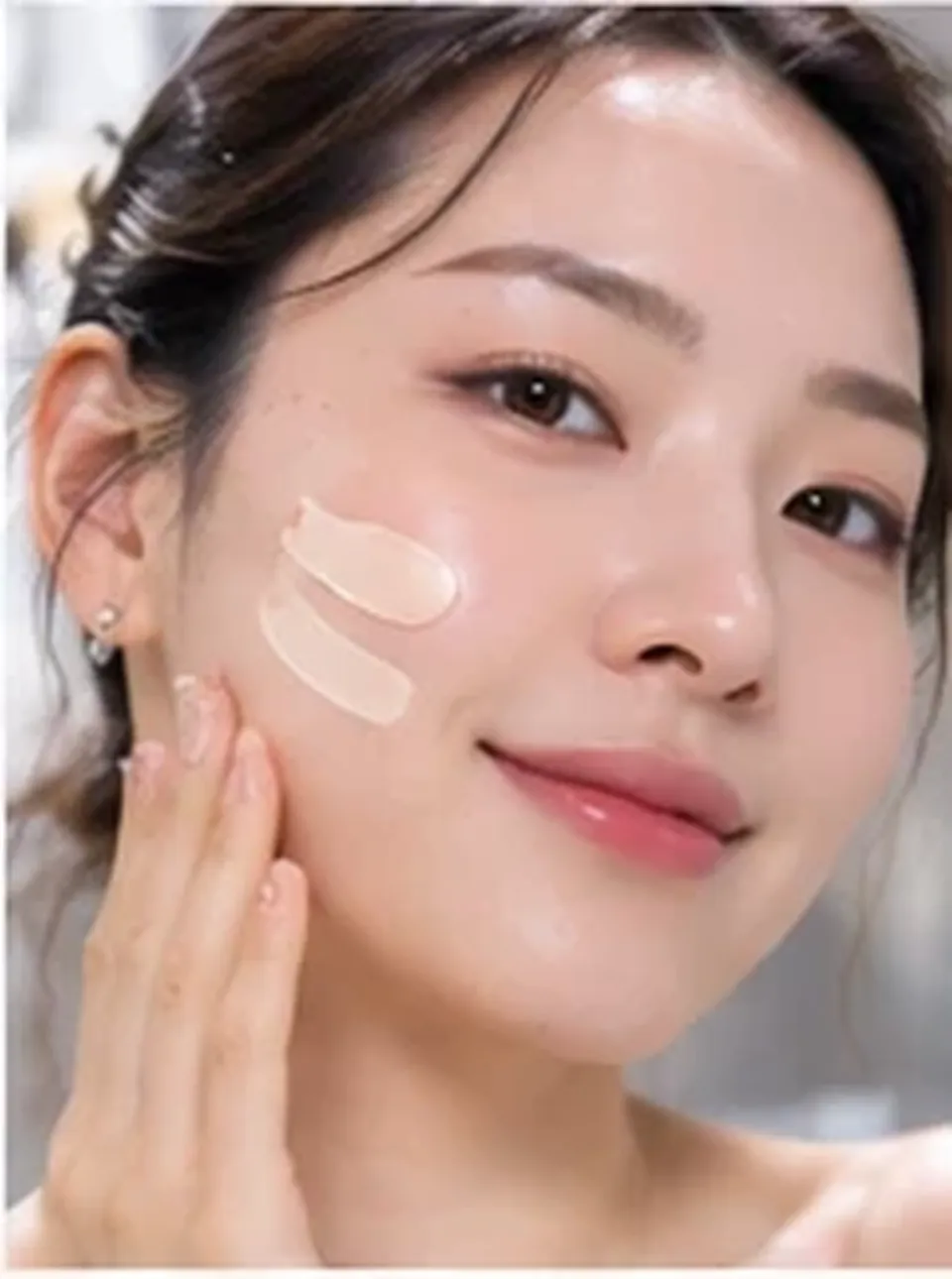
What a luxury Korean tinted sunscreen is
A luxury Korean tinted sunscreen is a sun-protection cream that carries a light pigment, designed to even out the look of the complexion while protecting the face from daylight. Koreans call the style toneop, literally tone-up, and the product a toneop seonkeurim.
The effect is subtle. Instead of covering skin like a foundation, a tone-up sunscreen gently brightens and neutralises the look of dullness. Many are lavender, pink or beige in the tube but melt into a natural shade when spread.
In Korea, a luxury Korean tinted sunscreen is often the first thing many people put on their face after skincare, and it may be the only one. Its appeal lies in speed, comfort and the soft brightness that Korean beauty admires.
Even though it looks like makeup, it remains a sun product and should be applied in the amount and manner indicated by its maker.
The tone-up trend in Korean beauty
Tone-up creams grew from a Korean preference for a bright, clean, even complexion without the heaviness of a full base. They became everyday products for office workers and students who wish to leave home looking fresh in a single step.
Prestige houses have adapted the idea to a more refined register. Premium Korean tone-up sunscreen formulas tend to use finely milled pigments and soft-focus powders so that the finish looks like healthy skin and not like a mask.
Korean houses sometimes present the tone-up finish as the reason to choose one tinted sun cream over another, but the formula behind it matters more: the filters, the texture and the tolerance of your skin are the true criteria.
Because the cream replaces both a light base and a sun layer in the morning, it also suits those who prefer a short routine on busy weekdays.
Understanding shades and undertones
Tinted products can be confusing, because the colour in the tube differs from the colour on the skin. When you test one, spread a little along the jaw and look at it in daylight, not under a shop light.
A rough guide used by many beauty advisers is:
- Lavender or violet: offsets a yellowish cast and is popular on neutral to warm skin.
- Pink: warms pale complexions and gives a fresh look.
- Beige or natural: blends into most skin tones with the least visible change.
- Green: sometimes used to soften the look of redness.
A premium Korean tone-up sunscreen may be sold in one universal shade or in two or three, and some adapt through a pigment that releases on contact with the skin. Always check the carton and the instructions for the exact shade information.
These are general tendencies. A shade that looks elegant on one person may appear ashen on another, so trying it on the face before buying is wise.
Choosing a high-end Korean tinted sun protection for your skin
Start with the label: an SPF and a PA rating tell you how the product is classified for sun protection. Then check the ingredient list for fragrance, essential oils and any component you are known to react to.
Oily skin tends to prefer a matte tone-up with a powdery finish, while dry skin may favour a cream with moisturising agents. Sensitive skin should be introduced to a new tinted product gradually, with a small test area first.
When looking at a Korean tinted sun cream, also examine the texture. A creamy one feels comfortable on drier skin but can leave a satin sheen, while a lighter lotion sets faster and suits warmer weather.
Remember that pigments and filters can interact, so a formula that suits a friend may not suit you. If you have any skin condition, seek professional advice before changing your routine.
How to apply a toneop seonkeurim
After your usual skincare, dispense the quantity recommended on the pack. Dot it across the forehead, cheeks, nose and chin, then spread with your fingertips or a clean sponge in outward strokes.
Work quickly, because tone-up pigments can show streaks if left to dry unevenly. Blend along the jaw and the hairline so that no visible edge remains, and apply a thin extra layer to the zones that look uneven.
A damp sponge helps on dry patches, because it presses pigment into the surface instead of dragging it. Wash the sponge regularly, as old product and bacteria build up in porous materials.
Finish with a dab of powder only if you need it. Many people find that the soft-focus effect is enough without any extra makeup.
Mistakes to avoid with a premium Korean tone-up sunscreen
The most common error is using too little to avoid a visible tint. Under-application lowers the protection, so choose a shade that looks good at the recommended amount, not a thin smear.
Others include skipping the neck, which creates a line between a bright face and a darker neck, and applying a pink tone to very warm skin. Test in natural light, and blend more than you think necessary.
Another subtle error is changing tone-up shades with the season without testing them again. Skin tone shifts after a holiday, and a high-end Korean tinted sun protection that was perfect in March may look different in September.
Do not treat the tint as a reason to skip evening cleansing. Pigments and filters stay on the skin, and a gentle double cleanse is the usual way to remove them thoroughly.
Pairing a Korean tinted sun cream with other makeup
Over a tone-up layer, a cushion or a light foundation is usually unnecessary on casual days. For events, use a thin layer of base only where needed, so that you do not build a thick mask.
Powders, blushes and lip colours sit well on top. Cream blush gives a particularly natural result on a tinted base, while heavy powders can look flat.
Many Korean beauty lovers keep one tinted sun cream for weekdays and a lighter, untinted formula for sport or outdoor days. This split avoids staining clothing collars and keeps the tint for moments when appearance matters.
In summer, a mist of water-based toner can revive the surface, though it does not replace reapplication of sunscreen as directed by the maker.
Storage and shelf life
Pigmented emulsions are sensitive to heat and light. Keep the tube capped, upright and away from windows, and wipe the nozzle before closing.
Check the open-jar symbol for the shelf life once opened. Stop using the cream if it separates, darkens or begins to smell different.
To summarise, a luxury Korean tinted sunscreen works best for those who want one elegant step, and a toneop seonkeurim chosen in the right shade can quietly replace a base on ordinary days.
This is also why prestige Korean brands usually pack their products in air-tight, sometimes pump-fitted containers, which limit contact with air and keep the pigments evenly dispersed.
Keep a small sample in a bag for travel, since it is easier to carry and spares the main tube from temperature swings.
Frequently asked questions
Is a tinted sunscreen the same as foundation?
No. It is a sun-protection cream with a light pigment that evens the look of skin, whereas a foundation is a makeup product designed to cover. Read the label to see which one you hold.
Will it match my skin tone?
Many tone-up creams adapt on application, but shades differ. Test along the jaw in daylight and choose the one that blends without leaving a visible edge.
Can I wear it every day?
Many Koreans do, as it replaces a light base and a sun layer. Cleanse thoroughly each evening and stop use if irritation appears.
Is it suitable for sensitive skin?
Some versions are formulated for reactive skin, but tolerance varies. Prefer fragrance-free options and test first.
Resources to explore further
Hera official website
The Korean house's official site, with cleansers, toners and complexion makeup by category.