
Luxury Korean Foot Cream (Put Keurim): A Refined Routine for Feet
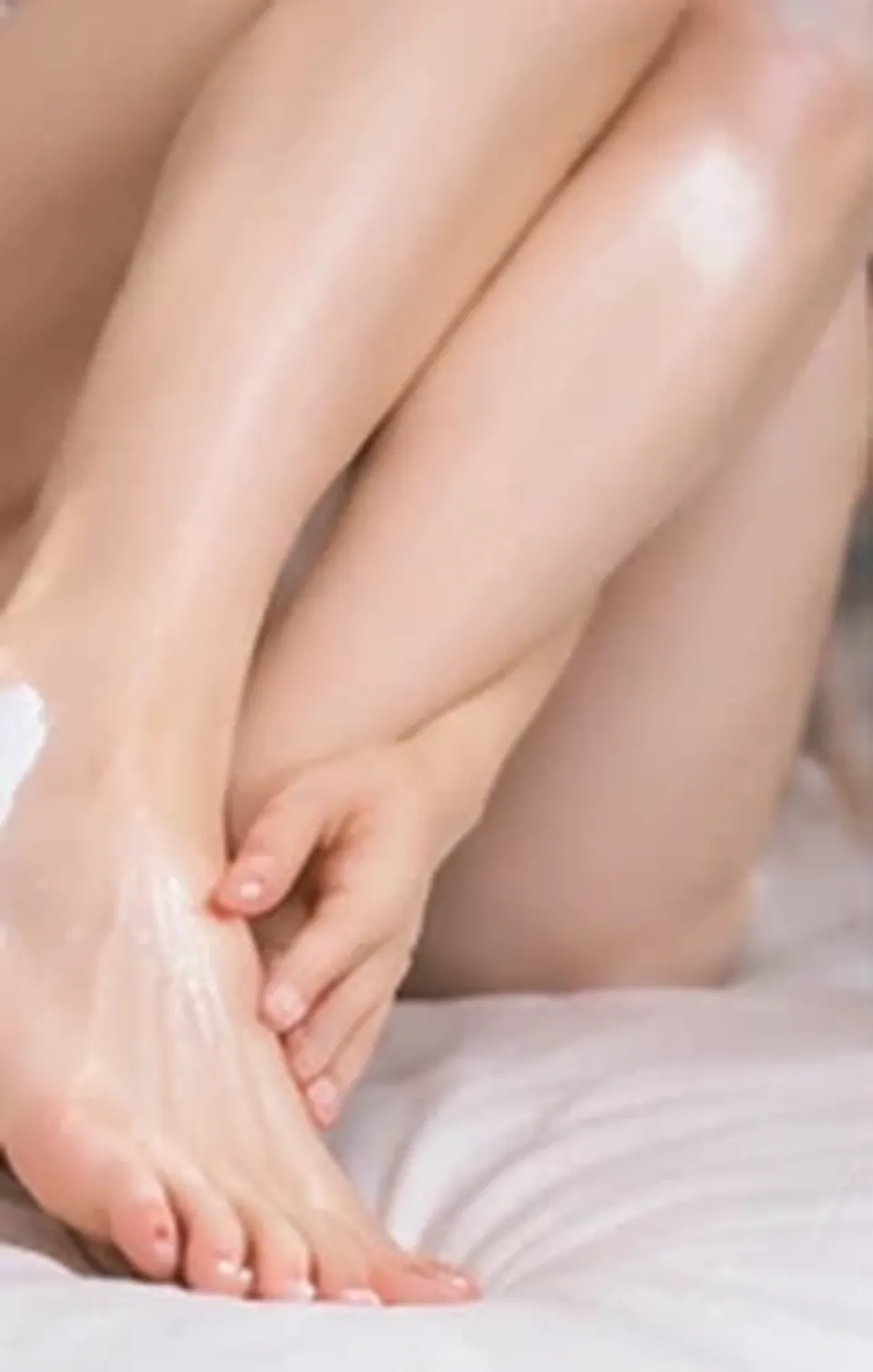
What a luxury Korean foot cream is
A luxury Korean foot cream is a rich, carefully formulated moisturiser designed for the feet, the heels and the lower legs, created by a high-end Korean house and applied as the final stage of a foot ritual. In Korean, the category is often written as put keurim (풋 크림), a phrase you will meet on labels and in boutiques across Seoul.
What separates it from a mass-market tube is not only the packaging. Korean luxury houses tend to draw on the same philosophy they apply to the face: a balanced formula, a pleasant texture and ingredients selected for comfort. Some lean on traditional botanical extracts, others on modern humectants and nourishing lipids, but the intent is always the same, to leave the skin of the feet supple and comfortable rather than slick or heavy.
The feet are an unusual canvas. The skin on the soles is among the thickest on the body, with no oil glands to speak of, so it dries quickly and thickens where pressure is highest. A premium cream therefore needs more body than a face cream, yet it must still absorb well enough that you can slip on socks without discomfort.
Why Korea treats feet as part of skincare
In Korea, skincare is rarely limited to the face. The idea of a complete routine, from scalp to toes, is firmly established, and the feet are seen as a place where consistent habits show over time. Visitors to Korean spas often notice how naturally foot rituals sit beside facial ones.
This attitude explains why Korean beauty houses invest in foot formulas at all. A cream for the heels is not an afterthought but one product in a coherent line, tested for feel, scent and stability like any other. The result is a category where texture engineering matters: creams that are dense enough to cushion a massage, yet melt as they warm on the skin.
For the buyer, this means that a luxury Korean foot cream can feel closer to a body treatment than to a basic lotion. It is a small, sensory pause at the end of the day, which is exactly how Korean routines are meant to be experienced.
Textures and typical ingredients
Most premium Korean foot cream formulas fall into three broad textures. A dense balm-like cream gives the most cushioning and suits very dry heels. A medium cream with a satin finish suits everyday use and warm climates. A lighter gel-cream hybrid is more refreshing and works well for people who dislike a residue.
Ingredients vary from house to house, so always read the list printed on your own packaging rather than relying on assumptions. Common families include:
- Humectants such as glycerin or hyaluronic acid, which attract water to the surface.
- Emollients and plant butters such as shea, which soften and smooth.
- Ceramide-type lipids, which are valued for supporting the skin barrier.
- Botanical extracts, including ginseng or green tea, that Korean houses frequently feature.
- Gentle exfoliating agents in some formulas, which should be used strictly as directed.
A fragrance-free or lightly scented version is wiser if your skin reacts easily.
How to apply a Korean heel cream
Timing and technique matter more than quantity. The most effective moment is in the evening, after a warm wash when the feet are clean and slightly damp, because the cream then helps hold on to that moisture.
- Wash and dry the feet, paying attention to the spaces between the toes, which should stay dry.
- Warm a small amount of cream between your palms to soften it.
- Massage it into the heel, the arch and the ball of the foot with firm, slow circles.
- Work upwards over the ankle and calf for a minute or two, which also relaxes tired muscles.
- Put on clean cotton socks if you like, to protect bedding and keep the cream in contact with the skin.
Avoid applying cream between the toes, where excess moisture can encourage discomfort. Wipe your hands afterwards, as the soles of your feet can become slippery on tiles.
Where it sits in a Korean routine
A Korean heel cream sits at the heart of a Korean foot routine, which is usually simple. After bathing, some people use a gentle exfoliation once in a while, followed by the cream and, occasionally, a foot mask that is left on for the time indicated by its maker. The cream is the step that stays constant.
Because Korean skincare favours layering lighter products before richer ones, the foot cream plays the role that a sealing moisturiser plays on the face. On days when the skin feels particularly dry, a second thin application after the first has absorbed is gentler than one thick layer.
Seasonal adaptation is also typical. In cold, dry weather, a denser cream is welcome; in summer, many people switch to something lighter, particularly if they wear open sandals and want a comfortable, non-greasy finish.
Who should choose a premium Korean foot cream
A premium Korean foot cream is relevant for anyone whose feet feel dry or tight, whether from long days standing, regular travel, sporting activity or simply a preference for well-kept skin. It also makes a thoughtful gift, because the ritual itself is part of the pleasure.
People with very sensitive skin, a history of contact allergies or a skin condition on the feet should proceed with more care. Test a small amount on the inner forearm first, wait a day and watch for redness or itching. If you have diabetes, persistent cracks, wounds or any pain, speak to a doctor or a podiatrist before relying on any cosmetic cream, as cosmetics are not a substitute for professional advice.
Finally, remember that a luxury product does not promise a specific outcome. It offers a refined, comfortable formula, and the best results come from regular, patient use.
How to judge quality at the luxury end
Start with the house behind the product. Established Korean names in prestige beauty, such as Sulwhasoo or AMOREPACIFIC, publish information about their lines on their own websites, which is a good place to compare descriptions and intended uses.
Look at the texture description, the full ingredient list, the size and the type of packaging. A tube or an airless pump is more hygienic than a wide jar, and a clear batch code and expiry symbol signal a serious manufacturer. Read the instructions on the box, since some foot creams are intended only for the soles and heels, while others are suitable for the whole leg.
Be wary of exaggerated claims or unusually low-priced copies sold through unofficial channels, as counterfeit cosmetics are a genuine concern in beauty. Buying from the brand itself or from an authorised luxury retailer is the safest route.
Common mistakes and storage advice
With any Korean foot care cream, the most frequent mistake is applying cream to feet that are still dirty or sweaty, which wastes the formula and may trap residue. Another is using too much, leaving a film that slides inside shoes. A pea-sized to walnut-sized amount per foot is usually enough, though the right quantity depends on the product.
People also forget the calves and ankles, where the skin can be just as dry. Equally, aggressive scrubbing before the cream can irritate rather than help, so keep any exfoliation gentle and occasional.
For storage, keep the container tightly closed, away from direct sunlight and heat, and use clean hands or a spatula if the cream is in a jar. Check the period-after-opening symbol on the packaging, and discard the product if the smell, colour or consistency changes. Stored well, a premium Korean foot cream stays pleasant to use right to the last application.
Frequently asked questions
Is a luxury Korean foot cream different from a body lotion?
Usually yes. Foot creams are denser because the skin of the soles and heels is thicker and loses water quickly. A body lotion is lighter and often absorbs too fast to cushion a foot massage.
When is the best time to apply it?
Most people prefer the evening after washing, when the feet are clean and slightly damp. Applying it before bed lets the cream work undisturbed, and cotton socks can keep it in place.
Can I use it on my hands or legs?
Some creams are suitable for the whole leg, but others are made only for soles and heels. Follow the instructions on your packaging and avoid using a foot product on the face.
How often should I use it?
A daily evening application is common in a Korean routine, but the right frequency depends on your skin and the product. If irritation appears, stop and seek advice from a pharmacist or doctor.
Does a premium Korean foot cream guarantee smooth heels?
No cosmetic can guarantee a result. A well-made cream supports comfort and softness with regular use, and persistent dryness or cracking should be assessed by a health professional.
Resources to explore further
AMOREPACIFIC: hair and body care
The hair and body section of AMOREPACIFIC, presented by the brand.