
Luxury Korean Facial Exfoliator (Gakjil Jegeoje): Smooth, Not Stripped
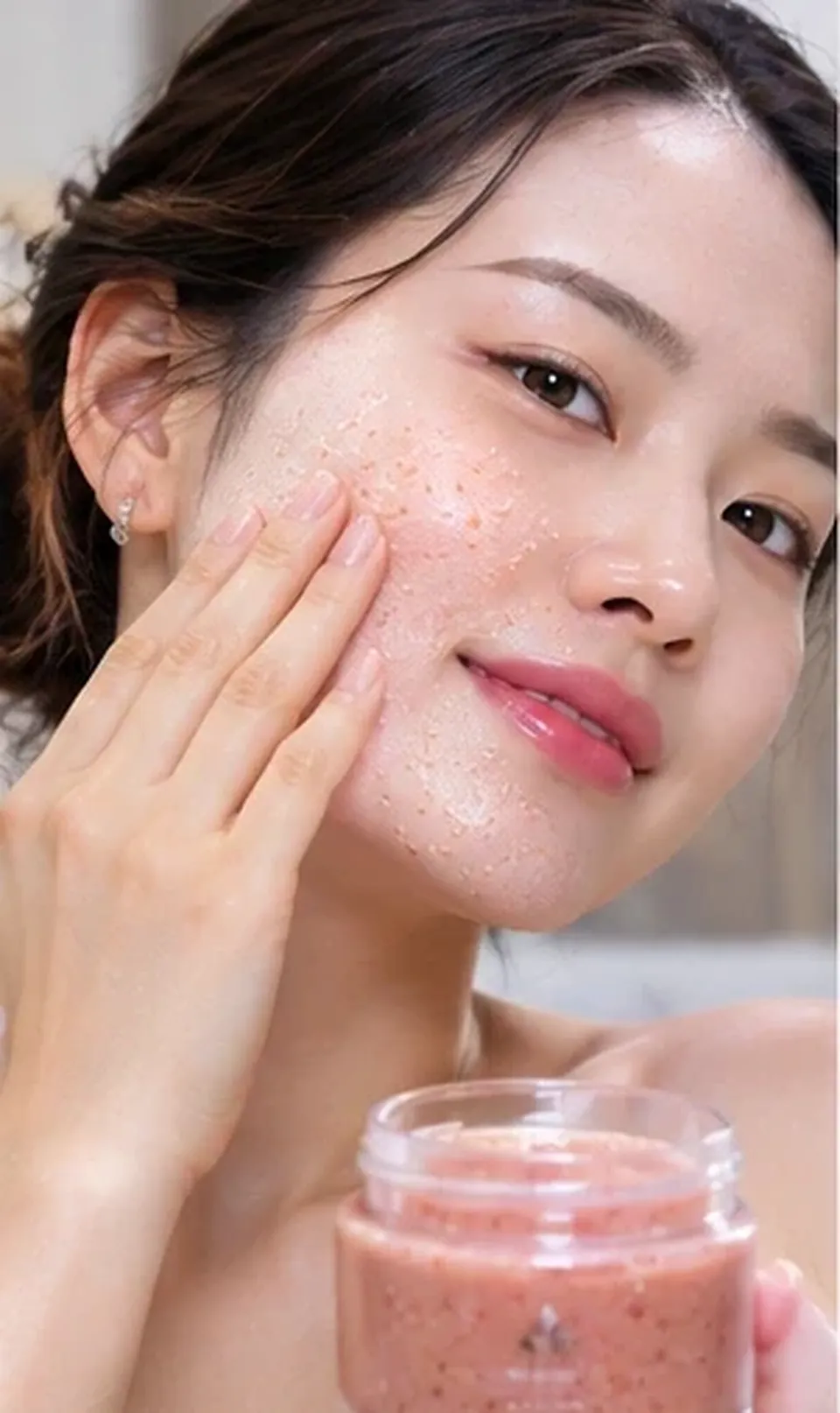
What a luxury Korean facial exfoliator is
A luxury Korean facial exfoliator is a gentle cosmetic product, formulated in Korea, that helps to loosen and remove dead surface cells so that the skin looks smoother and more even. In Korean it is called gakjil jegeoje, literally a remover of the horny layer. The purpose is polishing, not scrubbing away damage.
In Korea, skincare treats exfoliation as a measured, occasional step instead of a daily habit. The emphasis is on softness: fine textures, calming ingredients and clear guidance on frequency. This approach reflects the wider philosophy of protecting the skin barrier while improving its appearance.
At the luxury level, you find refined textures, discreet scents and thoughtful packaging, but the essential rule is the same as for any exfoliator: the gentler the action, the better it can be repeated safely.
Types of premium Korean exfoliator
Exfoliators fall into three broad families, and many Korean products blend them in a mild way.
- Physical: fine particles or soft granules that are massaged lightly over the skin.
- Gommage or peeling gel: a gel or cream that is rubbed until it forms small crumbs that carry away dead cells, often called a peeling gel.
- Chemical: mild acids, such as PHAs, AHAs or BHAs, that loosen the bonds between surface cells.
Enzyme-based formats exist as well, but they have their own category in Korean ranges. A gommage is typically considered gentler than coarse scrubs, which can create micro-irritation.
Which type fits you depends on sensitivity and preference. Sensitive skin often chooses the soft gommage or a low-strength PHA, while resilient skin may tolerate a very fine physical product.
Ingredients commonly found in a gentle Korean facial exfoliator
Alongside the exfoliating agent, you will often see calming and hydrating ingredients. Glycerin, hyaluronic-type humectants, panthenol, centella or green tea extracts are used to offset the stimulation of the exfoliation.
Physical products may include rice powder, silica, jojoba beads or other finely milled particles. Chemical ones list gluconolactone, lactobionic acid, lactic acid, glycolic acid or salicylic acid, depending on the strength.
The list on your own product is the only reliable guide. People with allergies to fragrance, plant extracts or specific acids should read it carefully and perform a patch test before the first use. Anyone who is pregnant, using prescription retinoids or treating a skin condition should ask a professional before adding an exfoliator.
Which skin types can use a premium Korean exfoliator
Normal and combination skin are the most flexible candidates for a premium Korean facial exfoliator. Oily skin may benefit from a regular, gentle polish, while dry skin usually needs a softer, less frequent approach. Sensitive or reactive skin should be extremely cautious and may find that a very mild peel works better than a granular product.
Skin that is sunburnt, freshly shaved, broken or affected by active inflammation should not be exfoliated. The same goes for periods when you have used strong treatments or undergone cosmetic procedures.
If you notice persistent redness, burning or a shiny, tight surface, stop immediately and let the skin recover. A healthcare professional can advise on whether exfoliation is appropriate for you, since general cosmetic advice cannot replace a personal assessment.
How to use a Korean exfoliator safely
Start slowly, then adjust.
- Cleanse the face first so that makeup and sunscreen are gone.
- Apply a small amount on slightly damp or dry skin, according to the maker's instructions.
- Massage with fingertips using feather-light circles for the time recommended, usually under a minute.
- Avoid the eye area, the lips and any irritated patches.
- Rinse thoroughly with lukewarm water.
- Follow with a soothing toner, essence and moisturiser.
Begin with one use per week and watch how the skin reacts before increasing. During the day after exfoliating, use sun protection, because freshly polished skin can feel more sensitive to ultraviolet light.
Frequency and place in the Korean routine
Exfoliation with a gentle Korean facial exfoliator typically takes place in the evening, after cleansing and before toner. Most routines place it once or twice a week, and some prefer less. More is not better: over-exfoliation weakens the barrier, causes dullness and makes the skin look shiny and stressed.
On the same evening, avoid layering several actives. Prefer calming, hydrating products afterwards and postpone retinoids or strong acids to another night. Many Korean experts also advise skipping exfoliation in the days before travel or special events, when you want your skin to be at its calmest.
If you have any doubt, reduce the frequency first. The skin should look clearer and feel soft, never tight or burning.
How to choose a luxury Korean facial exfoliator
When choosing a luxury Korean facial exfoliator, decide first whether you prefer a physical, gommage-style or mild acid product. Then examine the details.
- Texture: look for very fine, even particles or a smooth gel.
- Instructions: clear guidance on frequency and contact time is a good sign.
- Soothing ingredients: they help to balance the exfoliation.
- Packaging: tubes and pumps keep the product cleaner than open jars.
- Source: buy from the maker's official store or an authorised luxury retailer.
Korean houses such as Sulwhasoo and Hera build exfoliation into larger routines, so reading the full range can help you see how the step is meant to fit.
Protecting the barrier, avoiding mistakes and storage
The skin barrier is the thin outer layer that retains moisture and keeps irritants out. Exfoliation works on its surface, so everything you do around it determines whether the result is radiance or irritation. Korean routines build a cushion of hydration and calm around the step.
Before exfoliating, keep the routine simple. After exfoliating, favour humectant-rich essences, soothing ceramide-type moisturisers and, in the morning, sun protection. A sign of a stressed barrier is a sensation of stinging when you apply products that were previously comfortable.
- Pause exfoliation if the skin looks red, flaky or shiny.
- Return to basic cleansing and moisturising for several days.
- Reintroduce the exfoliator at a lower frequency.
- Seek professional advice if discomfort persists.
Patience tends to deliver better results than intensity, and that principle is central to the Korean approach.
The commonest mistake is excess: scrubbing hard, exfoliating every day or combining several exfoliating products. Another is neglecting sunscreen the next morning. Using a body scrub on the face is also unwise, since particles are usually coarser.
Do not exfoliate wet skin if the maker says otherwise, and do not pick at flakes. Store the product tightly closed, away from heat, and respect the period-after-opening symbol on the packaging. Discard it if granules clump, the smell changes or the texture separates.
Frequently asked questions
How often should I use a luxury Korean facial exfoliator?
Start once a week and adjust according to the maker's instructions and how your skin feels. Many people use it once or twice weekly at most. Stop if redness, burning or tightness appears.
Is a gommage gentler than a scrub?
Often yes, because it works by rolling dead cells away instead of abrading the skin with coarse grains. Sensitivity still varies, so patch test first.
Can I exfoliate if I have sensitive skin?
Possibly, with a very mild product used rarely, but you should seek advice from a pharmacist or dermatologist. Avoid exfoliating inflamed or broken skin.
Do I need sunscreen after exfoliating?
Yes. Following the maker's guidance, use sun protection the next day, as the skin may feel more sensitive to light after exfoliation.
Can I use it with retinol or acids?
Layering several actives can irritate. Use them on different evenings and ask a professional if you take prescription treatments.
Resources to explore further
AMOREPACIFIC: Treatment Enzyme Peel Cleansing Powder
The brand’s own page for its enzyme cleansing powder, with the official description.