
Luxury Korean Enzyme Peel (Enjaim Pilling): A Mild Polish
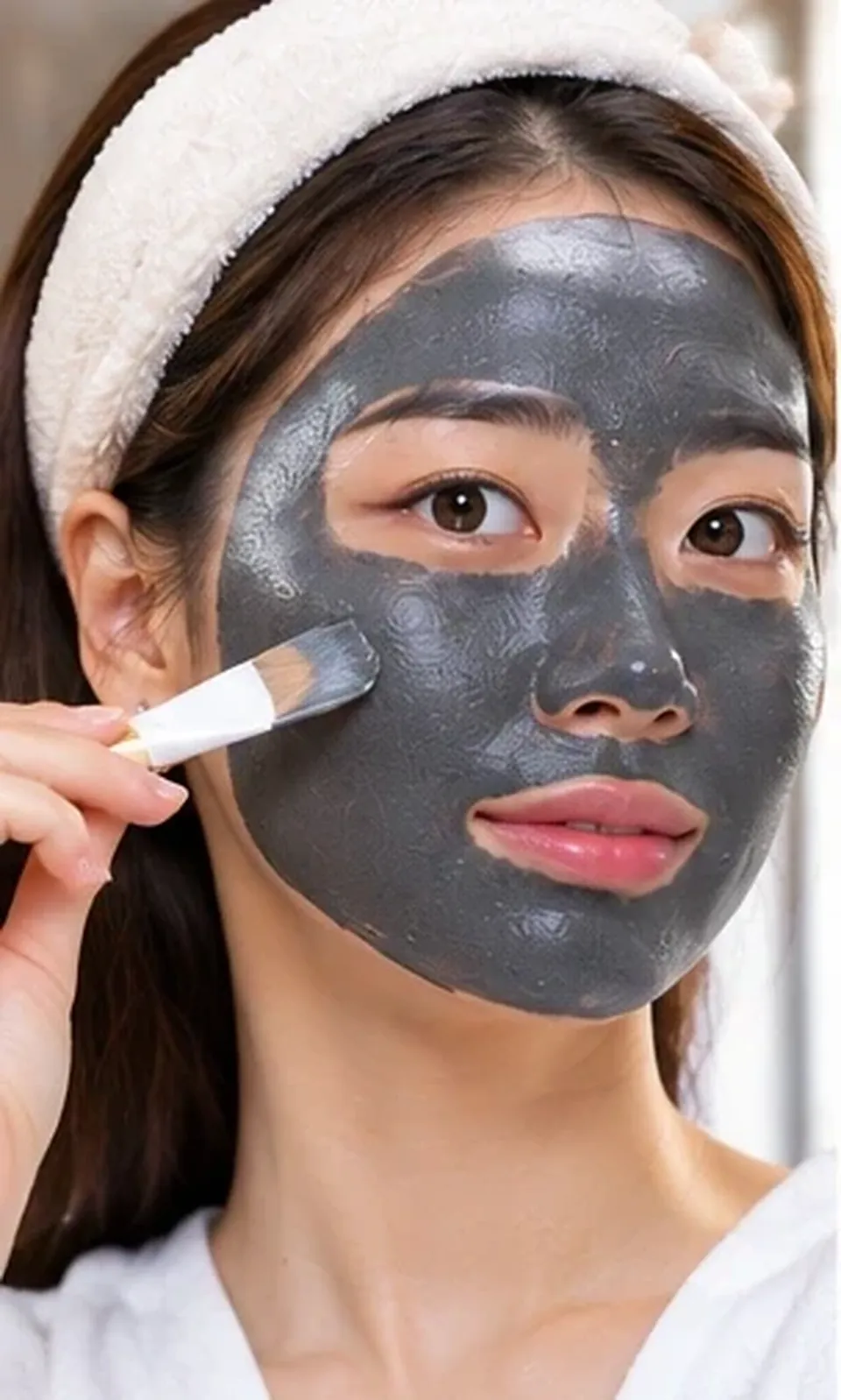
What a luxury Korean enzyme peel is
A luxury Korean enzyme peel is a fine cleansing powder, or sometimes a paste, that contains enzymes capable of breaking down the proteins that bind dead cells to the skin surface. Known in Korean as enjaim pilling, it is activated by water and used as a very gentle exfoliating cleanse, often once or twice a week.
Unlike granular scrubs, a premium Korean enzyme peel does not depend on friction. Unlike acids, it does not rely on a low pH to work. This is why it is regarded as a soft alternative for those who find other exfoliators too sharp.
Korean luxury houses often package the powder in single-dose sachets or small jars, which keeps the enzymes stable. The ritual is part of the attraction: you measure the powder, add water and create a light lather before smoothing it over the face.
How the enzymes in a Korean peel work
The enzymes most commonly found are proteases, such as papain from papaya or bromelain from pineapple, along with other plant-derived enzymes. They act on the protein bonds that hold surface cells together, so the cells are loosened and rinsed away.
Enzymes need water, and many also need a certain temperature range, which is why instructions usually call for lukewarm water and a short contact time. Powders are favoured because dry enzymes remain stable, while liquid formulas need careful preservation.
A fine powder often includes mild cleansing agents, clays or starch-like ingredients to carry the enzymes and to give a pleasant lather. The exact blend varies by house, so the ingredient list printed on your own product is the best source of information.
Which skin types suit a refined Korean enzyme peel
Normal, combination and dull skin are common users of a refined Korean enzyme peel, and sensitive skin may tolerate this format better than a scrub. Dry skin can use it occasionally if followed by a rich moisturiser.
There are important exceptions. People allergic to papaya, pineapple, latex-related plants or other fruit proteins should avoid products with those enzymes. A patch test on the inner forearm is wise for everyone, especially because enzyme products can cause reactions in some individuals.
Do not apply to broken, sunburnt or inflamed skin. If you are pregnant, using prescription treatments or managing a condition such as eczema or rosacea, ask a healthcare professional before use. This is general cosmetic guidance and not personal medical advice.
How to activate and use a premium Korean enzyme peel
The method is simple but precise.
- Cleanse your face and dry your hands completely.
- Measure the quantity of powder recommended by the maker and place it in a dry palm.
- Add a few drops of lukewarm water and rub your hands together until a soft, creamy lather forms.
- Smooth it over a damp face with light circular motions, avoiding the eyes and lips.
- Leave it for the contact time stated by the maker, usually between thirty seconds and a couple of minutes.
- Rinse thoroughly with lukewarm water and pat dry.
Never keep powder that has been moistened for later use, because the enzymes lose potency and bacteria can multiply.
Frequency, timing and routine placement
Most routines in Korea place the enzyme peel once or twice a week, usually in the evening and sometimes in the morning. It replaces the second cleanser on those days rather than adding another step.
After rinsing, proceed with a hydrating toner, essence and moisturiser. Avoid combining it on the same evening with strong acids or retinoids, which can leave the skin overstimulated. The following morning, use sun protection with care, since freshly polished skin may be more sensitive to light.
If your skin feels tight, hot or shiny afterwards, reduce frequency. A good result is skin that feels smooth, comfortable and fresh, with no stinging.
The role of powders in Korean beauty tradition
Cleansing powders have a long history in East Asian beauty rituals, where rice bran, mung bean and herbal powders were used long before modern surfactants appeared. Today's enzyme powders borrow that format and add carefully stabilised enzymes, which gives a modern version of an old gesture.
A powder offers practical advantages. It contains little or no water, so it needs fewer preservatives and keeps the enzymes stable. It is also easy to dose, and you can adjust the thickness of the lather according to the amount of water you add.
- Fine powder with a little water gives a light, milky lather.
- A thicker paste gives longer contact for those who tolerate it.
- Lumps indicate moisture and suggest the product is no longer ideal.
- Single-dose sachets avoid contamination between uses.
Used patiently, the peel provides a calm, tactile ritual which many Koreans associate with the weekend skincare evening.
Choosing a luxury Korean enzyme peel
Look first at the format of any luxury Korean enzyme peel you consider. Single-dose sachets protect the enzymes and avoid contamination, while a jar is practical if it comes with a dry scoop.
- Check the enzyme source and any listed allergens.
- Compare the fineness of the powder, since lumps usually dissolve poorly.
- Examine the fragrance level if you are reactive.
- Read the instructions for contact time and frequency.
- Choose houses with a clear heritage, such as Sulwhasoo, Hera or Sum37°, and buy from official or authorised sellers.
A luxury positioning should show in the fineness of the powder, the softness of the lather and the quality of the rinse.
Mistakes, storage and shelf life
The commonest mistakes are using water that is too hot, which can inactivate the enzymes, leaving the product on for too long and combining it with other exfoliants. Another is ignoring damp: powder that clumps in the jar has been compromised.
Store the container tightly closed in a dry, cool place, away from the humidity of a shower. Use a dry scoop or dry fingers only. Respect the expiry date or the period-after-opening symbol, and discard the product if it smells unusual or changes colour.
Finally, do not use a peel as a substitute for gentle daily cleansing. Its role is occasional refinement, and the skin should be given time to recover between uses.
Frequently asked questions
Is a luxury Korean enzyme peel gentler than a scrub?
Many people find it gentler because it relies on enzymes rather than abrasive grains. Individual sensitivity still varies, and allergy to fruit proteins is possible, so do a patch test.
How often can I use it?
Usually once or twice a week, following the maker's guidance. Reduce the frequency if your skin feels tight, hot or sensitive.
Why do I need to add water just before use?
Water activates the enzymes and a moistened powder loses potency over time. Prepare only the quantity you intend to use immediately.
Can I use it with acids or retinol?
It is better to keep them on different evenings, since layering several actives can irritate. Ask a pharmacist or dermatologist if you use prescription treatments.
Is it suitable for sensitive skin?
It can be, if the formula is simple and you tolerate its ingredients. Patch test first and stop using it if irritation occurs.
Resources to explore further
AMOREPACIFIC: Treatment Enzyme Peel Cleansing Powder
The brand’s own page for its enzyme cleansing powder, with the official description.