
Luxury Korean purifying mask: clay, clarity and gentle use
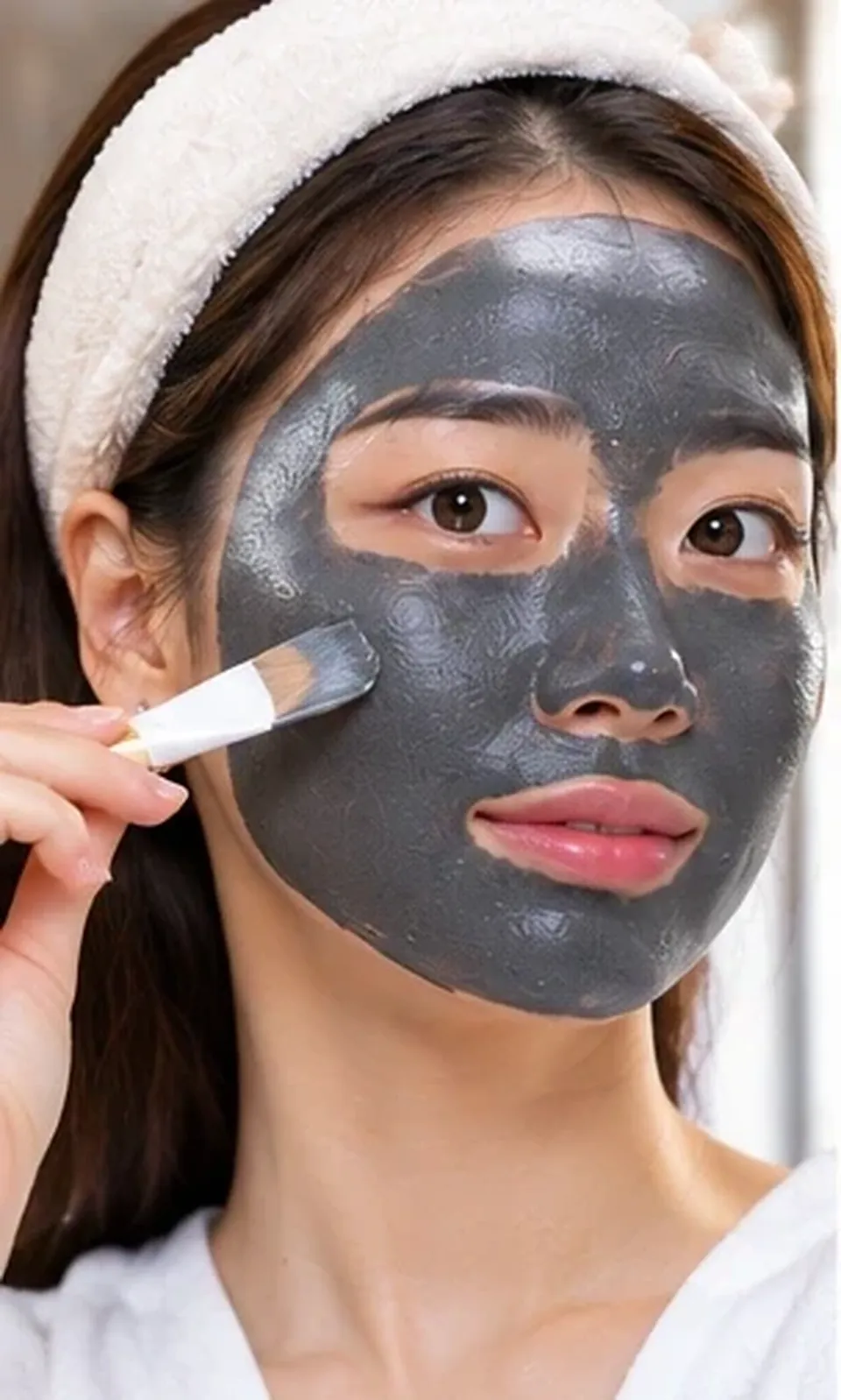
What a luxury Korean purifying mask is
A luxury Korean purifying mask is a wash-off treatment, often based on clay, charcoal or mineral ingredients, that is brushed onto the face to absorb surface oil and leave the skin feeling clear and refreshed. In Korea the family is sometimes called a cleansing pack, a name that reflects its purpose as a deeper step beyond ordinary face washing.
The premium version differs from a bargain tube of clay in finesse. Textures are smoother and finer, the clay is blended with soothing and conditioning ingredients so that it does not leave the skin dry and tight, and the experience, from the grey-black colour to the brush that comes with it, is designed to feel deliberate and professional.
It is a periodic treatment, not a daily step, and is best viewed as a reset for the surface of the skin.
Houses such as Sulwhasoo and Hera build their cleansing categories around the idea that clarity should never come at the expense of comfort, which is a distinctly Korean way of thinking about purification.
Clay, charcoal and the minerals behind the effect
The principal materials in a Korean clay mask are kaolin, bentonite and, in some products, volcanic clay from Korea's Jeju island or other mineral sources. Charcoal, sometimes described as bamboo or activated charcoal, is used for its dark colour and its absorbent character. These substances take up sebum and surface impurities as the mask dries.
Luxury formulas typically cushion this action with humectants such as glycerin, soothing extracts or gentle oils so that the skin is not left stripped. The exact composition differs between products, so the ingredient list should guide your choice.
Be wary of any product that claims to remove pores or permanently shrink them; pores are structural and a mask cannot eliminate them.
Using a brush for even application
A soft brush is the signature tool of the purifying category. Cleanse first, then dampen the brush lightly if the instructions suggest it, and paint a thin, even layer across the T-zone, cheeks and chin, avoiding the eyes, lips and delicate areas. A thin coat works better than a thick one.
Wait for the time stated, commonly ten minutes, and rinse before the clay becomes brittle and tight. Cracking is a sign that it has gone too far. Remove it with lukewarm water and a soft cloth, then follow with toner, essence and moisturiser.
Wash the brush after each use and let it dry fully, since a damp brush is a place for bacteria to grow.
- Apply to clean skin.
- Use a thin, even layer.
- Rinse before it cracks.
- Replenish with moisturiser.
A luxury purifying mask should be applied away from the hairline, since clay in the hair is difficult to remove. A headband or soft towel keeps strands in place, and a mirror close to a basin makes rinsing easier. Do not use a metal spatula with clay products that mention mineral content, as the maker may recommend a plastic or wooden tool instead.
How often and when in the Korean routine
A premium Korean purifying mask is generally used once a week, or once every two weeks on drier skin. It belongs in the evening, after the double cleanse and before the toner and treatment steps. Because it absorbs oil, it should be followed by a hydrating layer.
Some people apply it only to the zones that tend to be oily, a technique sometimes called multi-masking, while using a hydrating mask on the cheeks. That approach respects the fact that the face is rarely uniform.
Avoid using it directly before or after an intensive exfoliation, since the combined effect may irritate.
The premium Korean purifying mask is also useful before an important occasion, when the evening before is a suitable moment for a gentle reset, because any slight redness will have settled by the next day. Avoid trying a new purifying product immediately before an event.
Which skin types suit a luxury purifying mask
Oily and combination skin are the natural candidates, particularly in warm weather or when the T-zone feels congested. Normal skin can use a mild version occasionally. Dry and mature skin should be careful: clay can feel drying, and a gentle, creamy purifying formula or a short application on limited zones is wiser.
Sensitive, inflamed or acne-affected skin requires caution. Charcoal and clay can be abrasive on irritated surfaces, and some fragrances or mineral additives may trigger reactions. Test a small area first. If redness, burning or tightness persists, rinse off and stop using the product, and seek professional advice for persistent skin problems.
Pregnant women and those with dermatological conditions should check that the formulation is appropriate.
Choosing a premium Korean purifying mask in Korea or abroad
Choose a Korean deep-cleansing mask from a house that discloses its ingredients and explains its clay source. Look for a creamy, smooth paste that spreads cleanly and rinses easily without leaving a gritty residue. Check that the product is intended for facial use, since body clays can be unsuitable.
Consider whether it comes with a brush, whether the packaging protects it from moisture, and whether a tube or jar suits your habits. Tubes are more hygienic, while jars are more generous.
As always, buy from official boutiques or recognised luxury retailers to avoid imitations of established Korean labels.
A short test is helpful: apply a small patch on the jawline and rinse after the time stated. If the skin feels comfortable the following day, you can proceed to a full-face application.
Texture and scent deserve attention. A luxury Korean clay mask with a mild, clean scent is usually easier to live with than one with strong perfume, and a smooth paste is easier to apply than a gritty one.
Mistakes with purifying masks
The most frequent errors are leaving the clay to dry fully and crack, using it too often, applying it to dry or irritated areas, scrubbing it off aggressively, and skipping moisturiser afterwards. Another is thinking that a stronger tingle means a better result; it often signals irritation.
Do not use a purifying mask to squeeze or manipulate blemishes, and do not expect it to treat acne. It is a cosmetic for surface clarity, and persistent breakouts deserve a professional assessment.
A moderate, patient approach keeps the experience pleasant and the skin comfortable.
Storage and hygiene
Keep the lid or cap tightly shut, since clay hardens when exposed to air. Store in a cool, dry place, and avoid humid bathrooms when possible. Use a clean brush or spatula, and never dip wet fingers into the pot.
If the paste becomes lumpy, discoloured or smells unusual, discard it.
With these precautions, a luxury Korean purifying mask remains a refined weekly ritual of clarity and calm, and it can sit comfortably beside the gentler hydrating and nourishing steps of a Korean routine.
Frequently asked questions
How long should a luxury Korean purifying mask stay on?
Usually around ten minutes, though you should follow the pack. Rinse before the mask dries and cracks.
How often can I use a Korean clay mask?
Once a week is common, and once every two weeks for drier skin. Stop if the skin feels tight or irritated.
Is a purifying mask suitable for dry skin?
Only with care. Choose a creamy formula, apply to limited zones, rinse early and moisturise well.
Can a purifying mask close or remove pores?
No. It can absorb surface oil and leave skin feeling clearer, but it cannot remove pores or change their structure.
Should I use the brush that comes with the mask?
A soft brush gives an even, thin layer, but it must be washed and dried after each use to stay hygienic.
Resources to explore further
Sulwhasoo Masks
The Sulwhasoo mask range, a Korean luxury house presenting its sheet, sleeping and treatment masks with ingredient notes.