
Luxury Korean Blush: Soft, Natural Cheek Colour
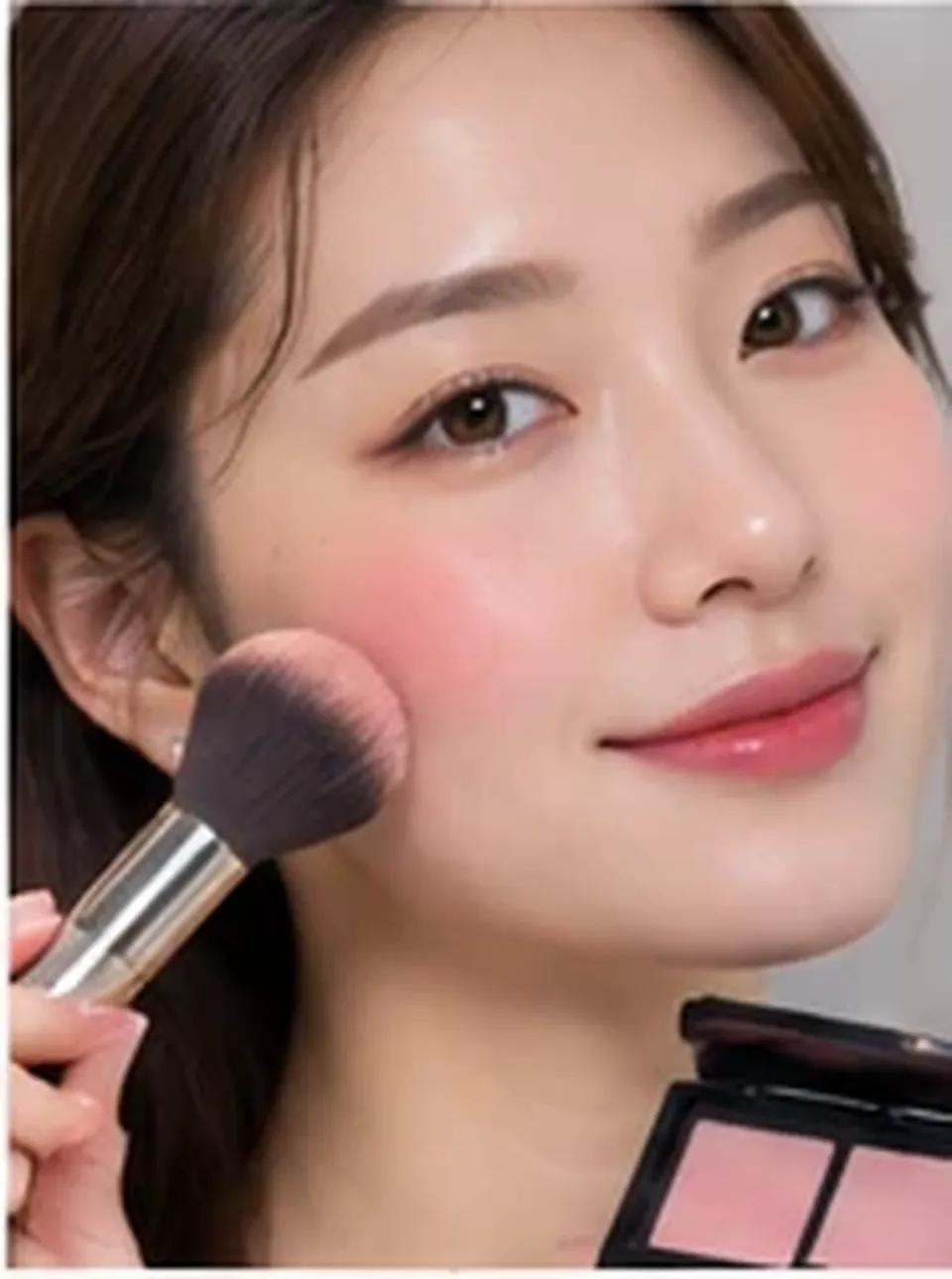
What a luxury Korean blush is and why it matters
A luxury Korean blush is a colour product for the cheeks, made by a high-end house in Korea, designed to bring a soft, believable flush to the face. In Korean make-up the cheek colour is often the centre of the whole look: it suggests warmth, youth and wellbeing rather than sculpting or contouring.
Where Western blush has historically been applied beneath the cheekbone for definition, the Korean approach tends to place colour on the apples of the cheeks and sometimes across the bridge of the nose, giving a gently flushed, almost sun-kissed or just-arrived-from-the-cold appearance.
Premium houses such as Hera and Amorepacific pay attention to pigment dispersion and to how a colour changes as it meets the skin, which is why a refined Korean blush may look quite different in the pan from how it appears on the cheek. Knowing this helps you choose with more confidence.
Texture is equally revealing. A high-end Korean blush often feels silkier and more cushioned than a mass-market equivalent, and it tends to leave the cheek looking like skin with a gentle tint, not like a layer of colour placed on top. Observe that quality when you try a product in person.
Powder, cream and liquid: the main formats
Each format offers its own rhythm of application.
- Pressed powder: the most familiar, easy to build and suited to normal and oilier skin.
- Cream or balm: melts into the skin for a dewy, translucent effect, preferred on dry or mature complexions.
- Liquid or gel tint: very sheer and long-lasting, usually applied in small dots and blended quickly.
- Cushion or stick: practical for touch-ups, applied with a sponge or directly.
A high-end Korean blush in cream form should be applied before loose powder, so that the layers integrate. A powder blush goes on last. Layering a premium Korean cheek colour in two formats is common in Korea, for example a cream base topped with a whisper of powder to extend wear.
Colour families and how to pick yours
Korean blush colours often fall into four groups: soft pink, peach and coral, rosy mauve, and muted brick or terracotta. Rather than leaning on a single universal shade, choose according to the warmth of your skin and the mood you want.
Cool or pink undertones usually look lovely with rosy pinks and mauves, warm or golden undertones with peach and coral, and deeper complexions often suit richer berry or terracotta tones. These are only guides. Try the colour on your cheek in daylight, ideally on a clean, moisturised area, and observe it after a few minutes, as pigments can deepen slightly.
Seasons also matter. Many Korean make-up artists choose lighter, cooler pinks for spring and summer, and warmer coral or brick tones for autumn and winter, though nothing prevents you from wearing your favourite shade all year. A good rule is to match the blush to the lip colour you intend to wear, or at least to keep them in the same temperature family. A tone-on-tone result looks coherent and is a hallmark of the refined Korean approach.
Applying a luxury Korean blush the Korean way
Start with a small amount, as a luxury Korean blush is usually highly pigmented. Smile gently to find the apple of the cheek, then tap the colour there and blend outwards towards the temple in small, light movements.
For a youthful, slightly high placement, extend the colour towards the outer corner of the eye, even brushing a little over the bridge of the nose. For a softer, more mature look, keep it lower and more diffuse.
With a brush, use a fluffy, medium-sized one and tap off the excess before touching the face. With fingers, warm the cream between the fingertips first and press rather than rub. A damp sponge produces the most seamless, skin-like result of all, and is especially useful for liquid tints.
Where blush belongs in the routine
Blush goes after foundation and concealer, and before or after powder depending on its texture. Cream formulas are applied on bare or lightly prepared skin and set gently; powders are applied on top of powder.
Since Korean routines emphasise a healthy base, careful skincare and sun protection come first. The colour is the final accent, not a way of hiding an unprepared surface.
In the evening, remove blush as you remove the rest of the make-up, with a cleansing oil or balm followed by a gentle water-based cleanser. Pigments that linger can stain or dull the skin, so take a moment to rinse thoroughly around the cheekbones and temples.
Skin precautions and honest expectations
A blush is a cosmetic and nothing more. It can brighten the look of the face, but it does not change the skin itself, and any claim to do so should be viewed with caution. If your cheeks are naturally red or reactive, a deeper blush may exaggerate the effect, and a paler shade will often look better.
Sensitive skin demands care. Read the list of ingredients, steer clear of fragrance if you react easily, and test a small spot on the inner arm before using the product on the face. Stop using it if irritation appears and consult a health professional if it persists.
Many pigments in luxury Korean products are finely milled and kind to the skin, yet individual sensitivities vary, so the patch test remains valuable whatever the price of the product.
Selecting a refined Korean blush, errors to avoid and storage
When selecting a refined Korean blush, look beyond marketing. Check that the colour builds gradually, that it blends without patches and that it stays on the cheeks through the day. Inspect the packaging for a snug lid, a mirror that does not warp and clear batch details.
Buy from official brand channels or authorised luxury retailers, since imitations are frequent. Common errors include using too much product, applying a shade too dark for the skin and forgetting to blend the edges.
Keep your Korean luxury cheek tint away from heat and sunlight, close it after use and clean your brushes regularly. Respect the period-after-opening symbol on the pack. A cream blush in particular should be touched with clean fingers only, to prevent bacteria from entering the formula.
Frequently asked questions
What makes a luxury Korean blush different from other blushes?
Mainly the placement and the finish: Korean looks favour soft, high, diffuse colour with a natural glow, and luxury houses invest in finely milled pigments and refined textures.
Which formula is best for dry skin?
Cream and balm formats usually feel most comfortable, as they melt into the skin. Prepare the face well and apply a small amount at a time.
How can I stop my blush looking too strong?
Tap off the excess, build in thin layers and blend the edges until no line remains. A clean brush or sponge can also soften the colour afterwards.
Can I use the same colour on my lips?
Some cream formulas are designed for both, but only if the manufacturer says so. Otherwise use products intended for the lips, which are tested for that purpose.
Is it suitable for sensitive skin?
It depends on your skin and the formula. Do a patch test and ask a pharmacist or dermatologist for advice if you have had reactions before.
Resources to explore further
Hera: cleansers, toners and make-up
The Hera site presents the Korean luxury house's make-up collections, useful for comparing cheek colours and formats.