
Luxury Korean Hair Mask (Heeo Paek): Intensive Care for the Lengths
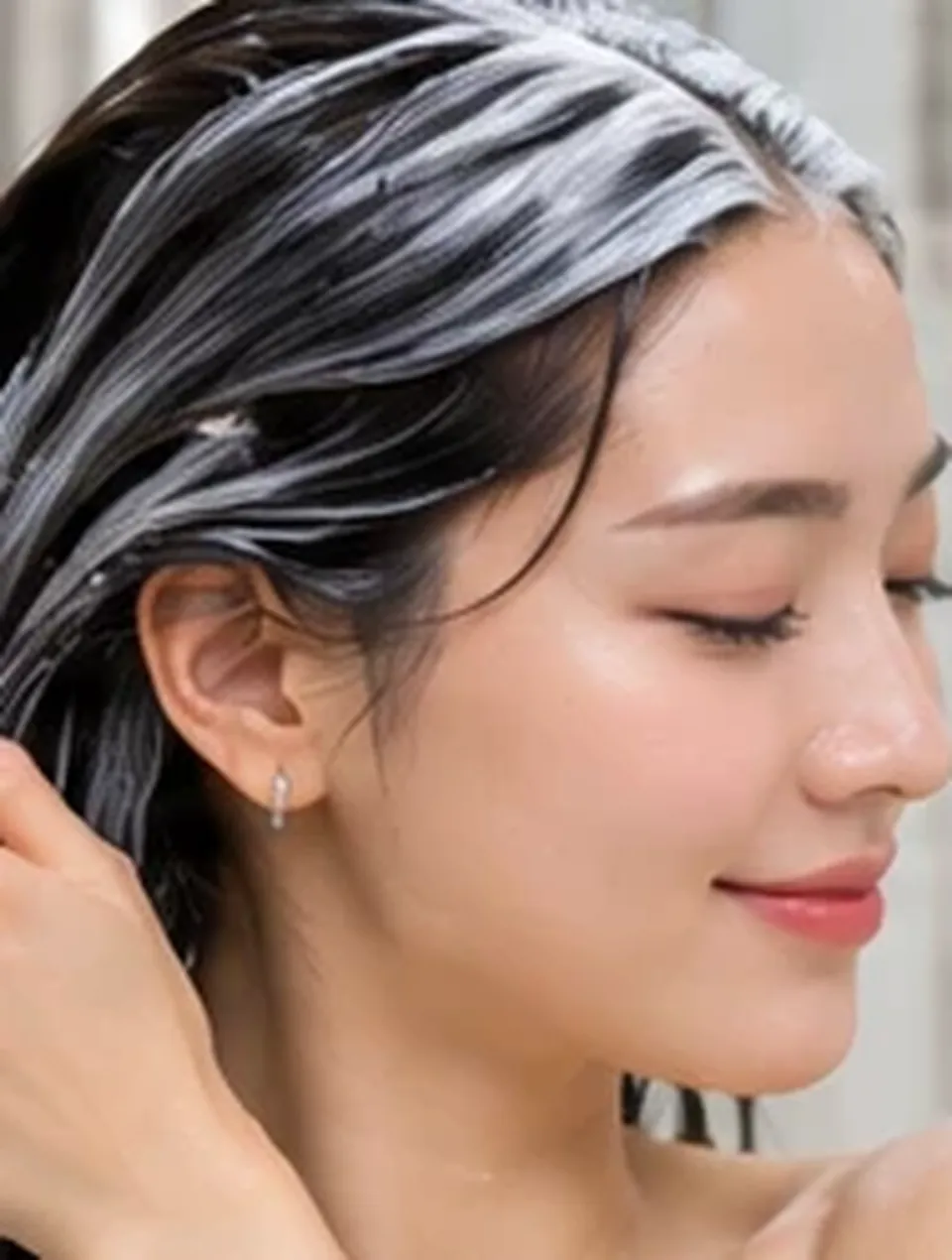
What a luxury Korean hair mask is
A luxury Korean hair mask is a concentrated, creamy treatment from a prestige Korean house, applied to washed hair and left on for several minutes so that its conditioning and nourishing agents can work before rinsing. In Korean it is called heeo paek (헤어팩), literally a hair pack, and the term sits alongside the facial paek that the country made famous.
The mask is richer than a daily conditioner. It carries a higher load of emollients, humectants and conditioning polymers, which is why it is used once or twice a week rather than at every wash. Its job is to restore a smooth, supple feel to lengths that have been dried by heat tools, colouring, sun or sea water.
At the luxury level, the experience is as important as the formula. With a premium Korean hair mask, expect a dense but spreadable texture, a considered fragrance and packaging that feels deliberate, in the spirit of Korean skincare.
Mask, conditioner or leave-in: the difference
These three products are often confused. A conditioner is a quick step after shampooing, meant to detangle and soften within a minute or two. A Korean hair treatment mask is a deeper, slower step that stays on longer and is used less frequently. A leave-in product is applied after rinsing and stays on the hair all day.
Korean routines tend to use them together rather than choosing between them. One may shampoo, apply a mask to towel-dried lengths, rinse, and then finish with a lightweight leave-in or oil. The mask is therefore a periodic boost within a larger sequence.
Understanding this prevents disappointment. If you expect a conditioner to behave like a mask, it will feel thin; if you use a mask at every wash on fine hair, it may feel heavy.
Typical ingredients and textures
A Korean hair pack from a luxury house may be a thick cream, a pearly lotion or a balm-like paste. The inventory of ingredients changes with each formula, so the packaging is your reliable guide. You will often come across:
- Fatty alcohols and plant oils that coat and soften the surface of the hair.
- Humectants such as glycerin or panthenol, which attract water.
- Protein or amino-acid ingredients in formulas aimed at fragile hair.
- Botanical extracts associated with Korean tradition, including ginseng, camellia, rice or green tea.
- Silicones or film-forming agents in some formulas, valued for slip and shine.
Richer textures tend to suit thick, coarse or curly hair. Finer hair usually prefers a creamy but lighter mask, applied sparingly.
Applying a Heeo Paek step by step
Method matters. A Heeo Paek works best on clean hair that has been squeezed gently with a towel, because dripping hair dilutes the product.
- Shampoo and rinse thoroughly, then remove excess water.
- Take a small amount and warm it between your palms.
- Spread it from mid-lengths to ends, keeping it away from the roots unless the label says otherwise.
- Comb through gently with a wide-toothed comb to distribute it evenly.
- Leave it on for the time stated by the maker, often a few minutes, then rinse well with lukewarm water.
A warm towel or a shower cap can be used if the instructions allow it. Avoid leaving a mask on for far longer than recommended, since this brings no certain benefit.
Choosing a premium Korean hair mask for your hair
Choosing a luxury Korean hair mask begins with listening to your hair. Think first about what it experiences. Heat styling, colour, bleaching and frequent washing all increase dryness. Hair that is coloured or lightened often wants nourishment; hair that is fragile may prefer a protein-oriented mask; and hair that tends to be oily at the roots needs a formula applied strictly to the lengths.
Then look at the description. A premium Korean hair mask will state the hair type or concern it is conceived for. Compare these claims with the ingredient list rather than relying on marketing words alone.
In Korea, climate also influences choice. Humid summers can make heavy masks feel sticky, whereas the cold, dry winter calls for more comfort. Many users keep two masks and alternate them with the seasons.
Where it fits in the Korean routine
In a Korean hair routine, the mask is a weekly ritual, similar to a facial mask. It often follows a deep cleanse of the scalp and precedes a gentle leave-in treatment. Some people prepare the hair with a scalp massage first, so that the lengths are treated after the skin has been cared for.
The frequency depends on your needs. Dry or damaged hair may take a mask twice a week, normal hair once a week or less, and fine hair once every ten days or so. Observe how your hair behaves the next day: if it feels limp or coated, reduce the frequency.
Consistency matters more than intensity with any luxury Korean hair mask, as well as with a Korean hair treatment mask from another house, and a regular, moderate approach gives better results than occasional heavy use.
How to recognise a quality formula
The brand is a good starting point. Established Korean houses such as AMOREPACIFIC present hair and body collections on their official sites, allowing you to see how a prestige brand describes its treatments. Look beyond the name to the clarity of the instructions and the transparency of the ingredient list.
The feel in the hand tells you a lot: the cream should spread without dragging, rinse cleanly and leave no heavy film. The scent should be pleasant but not overpowering. Packaging should protect the formula, ideally with a tube or a pump that limits contact with air and fingers.
Beware of unusually low prices or unofficial sellers, as imitations of prestige cosmetics are common. Buying from the house or an authorised retailer protects both quality and authenticity.
Mistakes, precautions and storage
Common errors include applying the mask on the scalp when it is intended for the lengths, using too much, and rinsing too briefly. Each of these can leave hair flat or greasy. Equally, switching masks constantly prevents you from judging any of them.
Precautions are straightforward. Perform a skin test on the inner forearm if your skin is reactive, avoid contact with the eyes, and rinse with plenty of water if it gets in. People with scalp conditions or allergies should seek advice from a doctor before using a new product.
Close the pot or tube tightly, keep it away from direct heat and light, and use a clean spatula if it is in a jar. Replace it if the smell or texture changes or the period shown after opening has passed.
Frequently asked questions
How often should I use a luxury Korean hair mask?
Most people use it once a week, while very dry or treated hair may take it twice. Fine hair often needs less. Adjust according to how your hair feels the next day.
Can I use a Korean hair mask on my scalp?
Usually not. Most masks are made for mid-lengths and ends, and applying them to the scalp may leave roots heavy. Always follow the instructions on your own product.
How long should I leave it on?
Leave it on for the time stated by the maker, often a few minutes. Leaving it much longer does not guarantee a better result.
Is a hair mask the same as a conditioner?
No. A mask is richer and used less often, while a conditioner is a quick everyday step. Many Korean routines use both.
Will it repair damaged hair permanently?
No cosmetic can repair hair permanently. A mask improves the feel and manageability of the lengths for a time, and gentle habits help maintain it.
Resources to explore further
AMOREPACIFIC: hair and body care
The hair and body section of AMOREPACIFIC, presented by the brand.