
Luxury Korean Scalp Treatment (Dupi Keeo): Caring for the Skin Beneath Hair
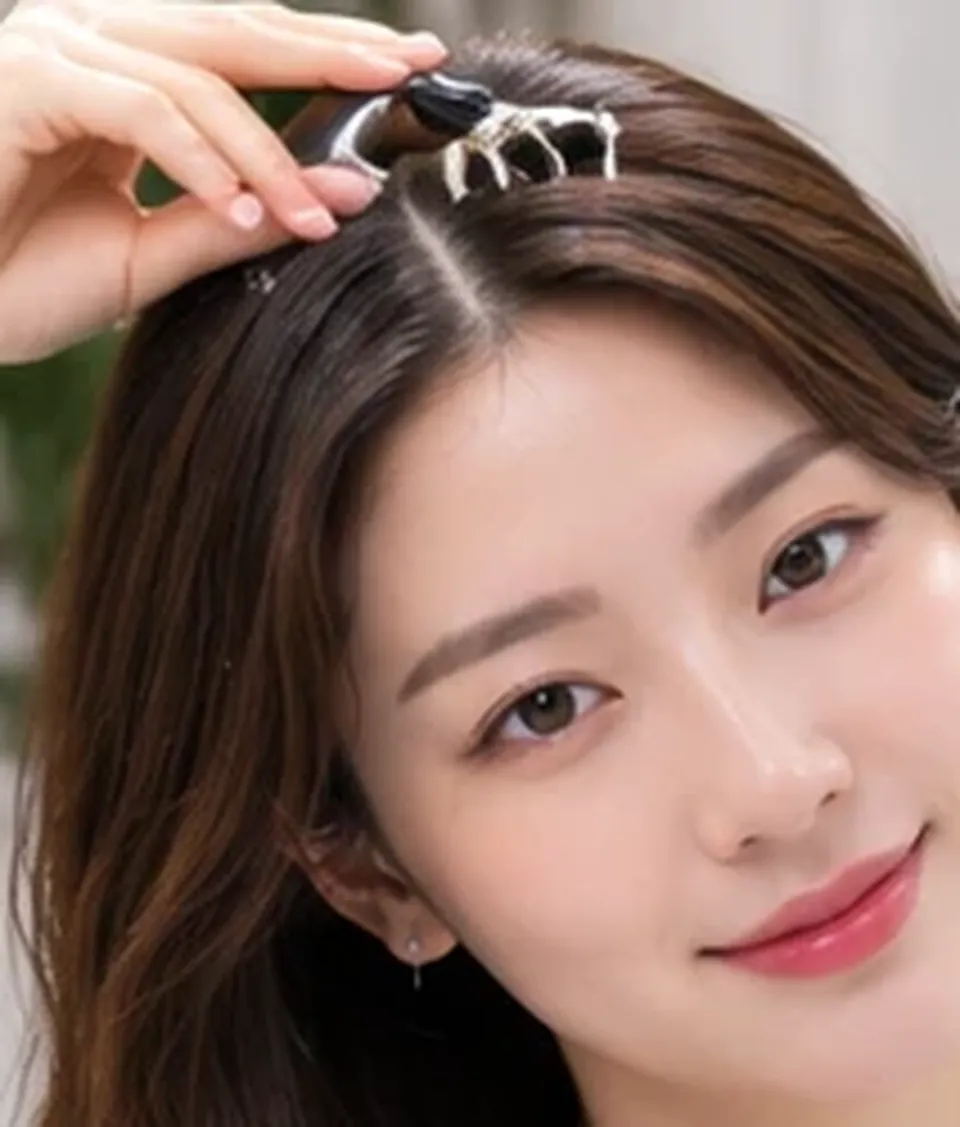
What a luxury Korean scalp treatment is
A luxury Korean scalp treatment is a prestige product or ritual from a high-end Korean house, intended to cleanse, soothe and care for the skin of the scalp so that the hair grows from a comfortable, well-kept base. In Korean the practice is called dupi keeo (두피 케어), meaning scalp care, and it has become a pillar of the country's hair routines.
The idea is straightforward: the scalp is skin, with pores, sebum, sweat and a sensitive surface. It deserves attention in the same way as the face. A treatment may take the form of a tonic, a serum, an exfoliating scrub, a pre-shampoo cleanser, a mask or a massage tool, and many routines combine several of these.
At the luxury level, these products are developed with the sensory finish of skincare in mind: elegant textures, fresh or herbal scents and packaging that makes the step feel like a ritual rather than a routine task.
Why scalp care matters in Korea
Korean beauty culture places great emphasis on healthy skin, and this philosophy extends upward. Many Koreans consider the scalp to be where good hair begins, and dedicated counters, salons and spa treatments exist for it. Professional scalp analysis with a small camera is a familiar experience in Seoul.
Lifestyle also plays a role. Urban pollution, humid summers, stress and frequent washing are common concerns, and consumers are attentive to how their scalp feels. The vocabulary of oiliness, tightness and flaking is part of everyday talk about beauty.
It remains important to stay realistic. Cosmetic scalp care supports comfort and cleanliness; it is not a treatment for hair loss or skin disease. Anyone with sudden shedding, persistent itching or visible patches should consult a doctor or a dermatologist.
Korean scalp care: products and ingredients
Korean scalp care is a wide category, which is why a plan helps. Here are the main forms you may encounter in a Korean scalp care range:
- A pre-shampoo cleanser or scrub that loosens residue and styling products.
- A scalp serum or tonic applied after washing and left on.
- A soothing or cooling gel for sensitive or warm scalps.
- A mask or pack applied before rinsing.
- A shampoo positioned by scalp condition, such as oily, dry or sensitive.
Ingredients differ by brand, so read the list on your own packaging. You may see humectants, soothing botanical extracts such as green tea or centella, mild exfoliating agents, and cooling compounds like menthol. Perfume-free options are sensible for reactive skin.
The role of the massage tool
A Korean scalp massage tool is a familiar accessory, from simple silicone brushes to handheld devices. Its purpose is to spread the product evenly, lift residue during shampooing and give a relaxing massage that many people simply enjoy.
Technique is gentle. Use light pressure and small circular movements, working from the front hairline towards the crown and nape. A minute or two is usually enough. Press softly: the aim is comfort rather than friction, and an overly vigorous massage can irritate the skin.
Choose a tool with soft, rounded tips and keep it clean. Rinse it after each use, let it dry fully and replace it if it shows wear. Do not use any tool on broken, inflamed or sunburned skin, and avoid it if your doctor has advised against it.
A sample scalp ritual step by step
Routines vary, but a typical weekly ritual might look like the following, with each product used as directed by its maker.
- Brush dry hair gently to loosen tangles and surface debris.
- Apply a pre-shampoo cleanser or scrub to the scalp and massage lightly, then rinse.
- Wash with a shampoo suited to your scalp type, concentrating on the skin.
- Towel-dry the hair and apply a serum or tonic directly to the parting lines.
- Massage for a minute with your fingertips or a soft tool, then style as usual.
Daily care can be much simpler, often just shampoo and perhaps a tonic. Do not use exfoliating products too often, as the scalp can become tight or sensitive.
Choosing a premium Korean scalp treatment
Choosing a luxury Korean scalp treatment starts with identifying your scalp type. If it becomes oily within a day, a balancing or clarifying product may suit. If it feels tight or flaky, look for a hydrating or soothing option. If it reacts easily, avoid strong scents and cooling agents until you have tested them.
Read what the house promises, and compare it with the ingredient list. A premium Korean scalp treatment should be described clearly, with instructions on frequency and how to apply it. Avoid products whose statements sound like medical promises, because cosmetics cannot make them.
Do a patch test behind the ear or on the inner forearm, wait a day, and stop at the first sign of irritation. Give a new routine several weeks before judging it, and introduce one new product at a time so you can tell which one suits you.
Judging a premium Korean scalp treatment
Seek transparency: a clear ingredient list, a batch code and a period-after-opening symbol. Check the brand's own website to understand each product's purpose. Houses such as AMOREPACIFIC present hair and body collections online, which helps you compare descriptions and see how a prestige label frames scalp and hair care.
Consider the texture and the application system. A fine nozzle or dropper that delivers the product to the scalp without drenching the hair is a sign of careful design. Pleasant sensorial properties matter too, since a ritual you enjoy is one you will continue.
Counterfeit cosmetics exist, and unofficial sellers offering surprisingly low prices should be treated with caution.
Mistakes, precautions and storage
The most frequent mistake is over-exfoliating, which can leave the scalp tight or sensitive. Another is scratching with fingernails while washing, or using a very hot rinse. Some people also layer many products at once and then cannot identify the cause of a reaction.
Take care with the eyes, rinse thoroughly if a product gets in, and discontinue use if redness, burning or itching appears. People who are pregnant, have a diagnosed scalp condition or take medical treatment for hair loss should ask a health professional before adding new products.
Keep bottles closed, away from heat and direct light, and note the opening date. Wash and dry massage tools after each use. Replace any product whose colour, smell or texture has changed.
Frequently asked questions
What is Dupi Keeo?
It is the Korean term for scalp care. It covers cleansing, tonics, serums, masks and massage designed to keep the scalp skin comfortable and clean.
How often should I use a scalp scrub or exfoliant?
Usually no more than once a week, and sometimes less. Follow the instructions on the product and stop if the skin feels tight or irritated.
Can a luxury Korean scalp treatment stop hair loss?
No. Cosmetics support scalp comfort and cleanliness but do not treat hair loss. If you notice sudden or persistent shedding, see a doctor or dermatologist.
Is a scalp massage tool necessary?
No, your fingertips work well. A soft tool can make application more even and the massage more relaxing, provided you use gentle pressure.
Is it suitable for a sensitive scalp?
Some formulas are designed to be soothing, but sensitivity varies. Test a small amount first, avoid strong fragrance and ask a professional if you are unsure.
Resources to explore further
AMOREPACIFIC: hair and body care
The hair and body section of AMOREPACIFIC, presented by the brand.