
Luxury Korean CC cream: a sisi keurim that corrects colour and evens tone
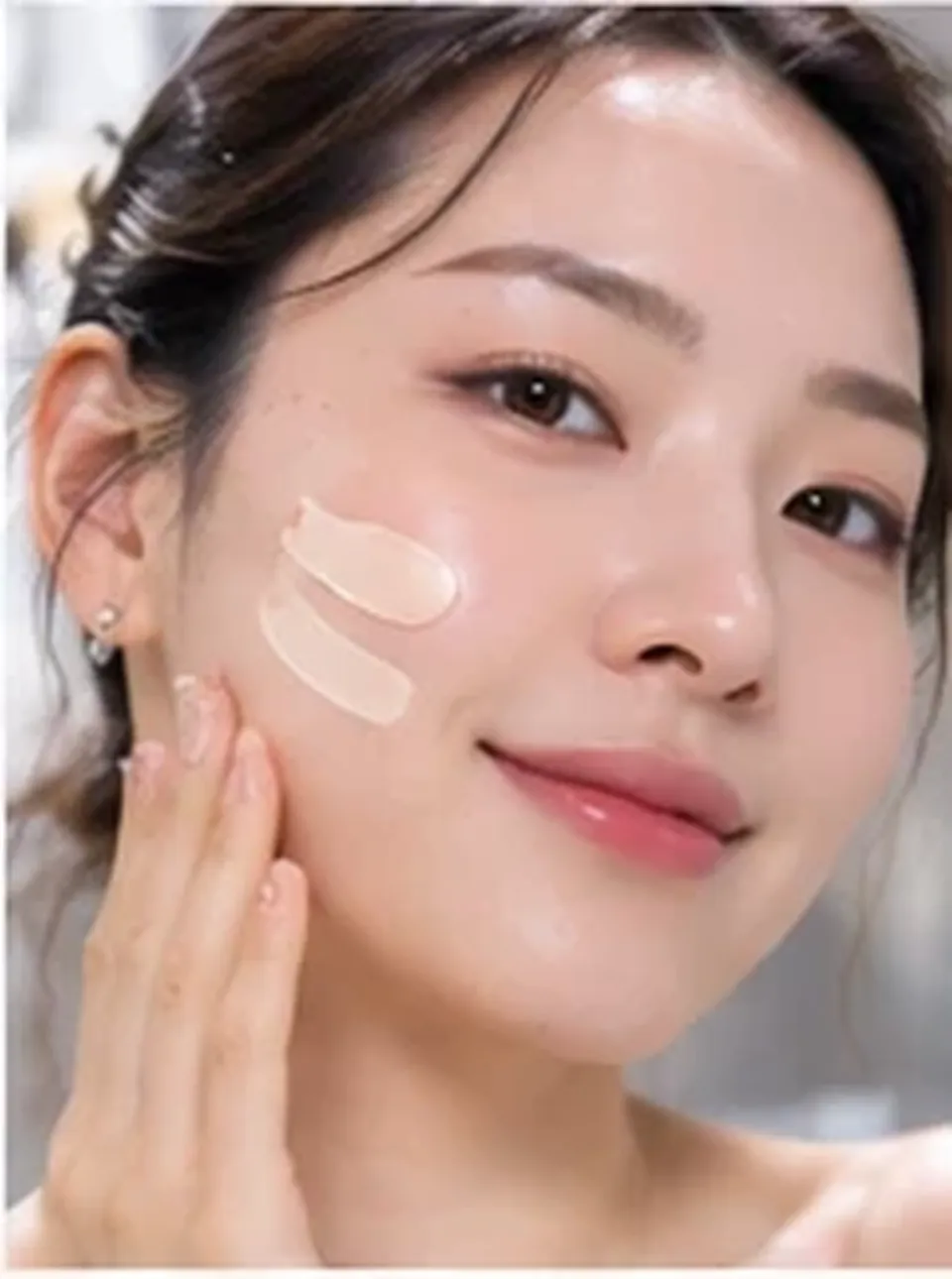
What a luxury Korean CC cream is
A luxury Korean CC cream is a lightly tinted, colour-correcting cream made by a prestige Korean house to even out the look of the complexion. In Korean it is a sisi keurim, and CC is generally read as colour control or colour correct.
It sits one step lighter than a BB cream in most ranges. Where a BB leans towards coverage, a CC concentrates on neutralising visible redness, sallowness or dullness with tinted pigments, and it usually feels closer to a moisturiser on the skin.
The appeal of a luxury Korean CC cream lies in its restraint. It does not promise a new face; it offers a calmer, more even-looking one, and it is the kind of product that people notice only because the skin looks well.
Prestige versions are designed to leave a transparent veil, often with subtle luminosity, rather than a clearly visible layer of makeup.
How colour correction works in a cream
Colour correction rests on a simple principle of opposites. A green tint can offset the appearance of redness, a lavender tint can soften yellowness, and a peach tint can warm a grey or pale complexion. A CC cream blends these ideas into a single, finely milled tint.
Within the broader Korean makeup vocabulary, the sisi keurim emerged after the BB cream as a more transparent alternative. Consumers who liked the comfort of a BB but wanted less visible makeup found in it a natural next step.
The effect is optical, not biological. The pigments change the way light bounces off the skin, and they do not alter the skin itself. When you wash the cream away, the complexion returns to what it was.
Colour theory in beauty is often misunderstood. A strong green or lavender, applied heavily, looks like a stain; the same tint, diluted in a cream and applied thinly, simply neutralises. The skill of a premium Korean CC cream lies in that dilution.
This is why a premium Korean CC cream is regarded as a refined option for daily wear: it offers a pleasant visual change without heavy product.
Where it fits in a Korean routine
Within the Korean sequence of thin-to-rich layers, a CC cream comes after skincare and sun protection, or sometimes in place of the latter when it carries a rating. It is applied before powder, blush and lip colour.
A CC cream also suits those who dislike how foundation can emphasise texture. Because the pigment load is low, fine lines and pores are not filled in so much as softly blurred, and the skin remains visible beneath the veil.
People often choose it for days when they want to look rested without a visible base: a morning at the office, a walk, a school run. In summer, its lighter texture is more comfortable than a full foundation in warm weather.
Prestige houses such as Sulwhasoo, Hera and AMOREPACIFIC place the format in the context of the broader skincare line, and so the cream may share certain hydrating or calming ingredients with the serums and moisturisers of the same brand.
Choosing a high-end Korean CC cream by tint and finish
Compare the following when you choose:
- Tint family: green, lavender, peach or a neutral beige.
- Coverage: usually sheer to light, and buildable in thin layers.
- Finish: dewy, satin or soft matte.
- Sun rating: some creams carry SPF and PA indications, others do not.
Texture deserves as much thought as colour. A high-end Korean CC cream may be airy and whipped, silky and lotion-like, or slightly balmy, and each gives a different feel at the end of a long day. Pick the one that matches the climate you live in.
Try the cream along the jaw in daylight and wait a few minutes. A tint that looks discreet in the tube can become more noticeable when it settles on the skin.
Be particularly careful with ranges that offer only one or two tones: they may not suit deep or very pale skin. Always check what the actual product offers.
How to apply a Korean colour-correcting cream
Start with a clean, moisturised face. Dispense a small amount, roughly a pea-sized dollop for each cheek, and place it on the cheeks, forehead, nose and chin.
Blend with clean fingertips or a damp sponge, moving from the centre outwards, and press into the skin rather than dragging it. Concentrate on zones where you want correction, then fade the product into the hairline and jaw.
If the first layer looks too light, wait a minute and add another thin layer. This approach keeps the finish natural and avoids creases around the nose and under the eyes.
Take care around the nostrils and the corners of the mouth, where creams tend to collect. A clean, slightly damp sponge picks up any excess, and a light patting motion helps the product merge with the surrounding skin.
Use a concealer only on the spots that need more cover, and set the T-zone with a little powder if you wish.
Mistakes to avoid with a CC cream
Many people mistake a CC for a foundation and expect full coverage. Using a thick layer to chase coverage can leave a mask-like look and a visible tint line at the jaw.
Other pitfalls include:
- Choosing a strongly coloured tint without testing it on the face.
- Relying on the sun rating without applying a sufficient amount.
- Applying onto a damp moisturiser, which makes the cream patchy.
- Forgetting to cleanse the pigments off in the evening.
It is also unwise to try a new colour-correcting product on the morning of an event. A few trial days at home reveal how it behaves with your moisturiser, your sunscreen and your usual powder, and prevent unpleasant surprises.
If you notice redness, itching or stinging, stop using the cream and ask a professional for advice.
Skin types, sensitivity and precautions
Dry skin appreciates a luminous cream with humectants, while oily skin benefits from a softer matte finish. Combination skin can alternate depending on the season.
Because a CC cream is worn directly on the skin all day, sensitivity matters. Avoid fragrance when your skin is reactive, test the cream on a small area for several days, and consult a doctor if you have a diagnosed skin condition.
Teenagers and those with very reactive skin should be especially careful, and may wish to check the options with a pharmacist or a doctor who knows their skin before experimenting with tinted creams.
Colour-correcting products should never be viewed as treating redness or other conditions. They only change the appearance for the time they are worn.
Storage, shelf life and evening removal
Keep the tube or bottle closed, away from heat, and clean the nozzle before capping. The open-jar symbol tells you how many months the cream stays in good condition after opening.
To sum up, a luxury Korean CC cream is a quiet, optical corrector, and it works best when you choose the tint with care and apply it thinly.
A Korean colour-correcting cream is also best kept out of the bathroom, where steam and temperature changes speed up ageing. A bedroom drawer is a better home, and a premium formula deserves it.
Discard the product if it separates, smells different or becomes grainy. A pump is more hygienic than a jar, which is why many prestige houses prefer it.
At night, use a gentle Korean double cleanse. An oil or a balm dissolves the tint and filters, and a mild wash then removes the residue without stripping the skin.
Frequently asked questions
What is the difference between a BB cream and a CC cream?
A BB cream generally offers a little more coverage, while a CC cream concentrates on correcting the look of uneven tone with a lighter veil. Formulas vary, so read the product description.
Does a CC cream replace foundation?
On many days, yes, if you only want light evening-out. For more complete coverage, a foundation or a concealer may still be needed.
Can I wear it every day?
Many Koreans do, as the veil is light and breathable. Cleanse well each evening and stop if irritation appears.
Does it work for all skin tones?
It depends on the range. Check the shades available for the specific product and test along the jaw in daylight.
Resources to explore further
Hera official website
The Korean house's official site, presenting cleansers, toners and complexion makeup by category.