
Luxury Korean cream mask: rich, nourishing care explained
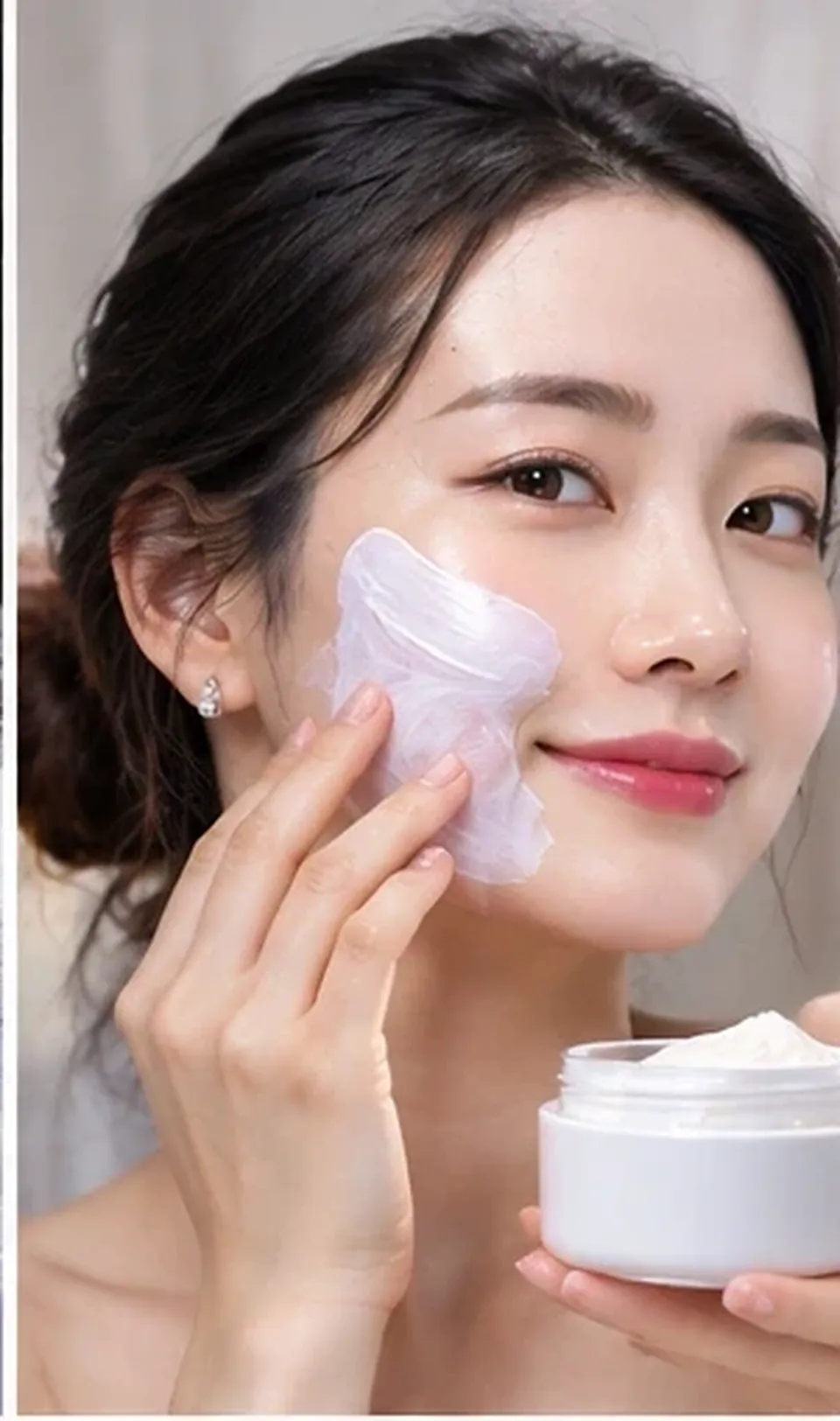
What a luxury Korean cream mask is
A luxury Korean cream mask is a thick, spreadable treatment applied in an even layer to the face and left for a set number of minutes, after which it is wiped off, rinsed or gently massaged in, depending on the maker. In Korea the product is often called a cream pack, and the premium segment focuses on richness, comfort and a refined, dignified sensory experience.
It belongs to the nourishing end of the mask family. Where a sheet leans towards water and a clay leans towards clarity, a cream mask is about cushioning: emollients, butters and oils that soften the surface and reduce the feeling of tightness.
The category suits those who enjoy a slower, more deliberate ritual, and it is particularly appreciated in colder months or after a day of dry, heated air.
Korean beauty houses often describe such a pack as a moment of repose. The focus is on patient, regular care instead of dramatic intervention, which is why a luxury cream mask tends to be sold as a ritual item.
Textures, scents and typical ingredients
A premium Korean nourishing mask usually has a dense but easy-to-spread feel, somewhere between a rich moisturiser and a soft balm. Common ingredients include shea butter, squalane, ceramides, glycerin and plant oils. Korean luxury houses often add botanical extracts with cultural resonance, such as ginseng, camellia, rice or green tea. Because formulas vary, the printed list is always the reference.
Fragrance is a defining feature. Some luxury creams carry a delicate herbal or floral note, while others are entirely unscented. If your skin reacts easily, an unscented product is a safer choice.
Look at colour, too. A lavender or pearl tint is often cosmetic, and has no bearing on effectiveness.
The finish can vary widely. A premium Korean nourishing mask may leave a soft, cushioned film or may sink in within minutes; neither is better, but a very greasy residue on the pillow suggests the layer was too thick. Texture is also affected by temperature: a jar stored in a cold room will feel stiffer and should be warmed gently between the fingers.
Applying a Korean cream pack step by step
Cleanse and tone, then use a spatula or clean fingers to take a small amount, roughly a teaspoon for the face and neck. Spread it in a thin, even layer, leaving the area around the eyes and the lips unless the label says otherwise. Avoid massaging aggressively; a gentle pressing motion is enough.
Wait for the recommended time, commonly ten to twenty minutes. Some formulas are meant to be tissued off, others rinsed with lukewarm water, and some are meant to be absorbed. Follow the directions on the pack.
Complete the routine with a light moisturiser if the skin still feels dry, and apply sun protection in the morning.
- Cleanse and tone.
- Spread a thin, even layer.
- Wait for the stated time.
- Remove or massage in as directed.
- Moisturise if needed.
Where a premium cream mask belongs in the routine
A cream mask is typically used once or twice a week, usually in the evening. It takes the place of the usual moisturiser on those nights, rather than adding another layer. People with very dry skin sometimes use it more often during winter.
It combines well with a light hydrating serum or essence underneath, but it is not designed to be layered over strong exfoliating acids or retinoids unless the maker says it is suitable.
Think of it as a restorative appointment, a moment when the skin is given a generous layer of care and left in peace.
During colder months, a luxury Korean cream mask can be used in the evening before an early night; in warm weather, a lighter application or a gel alternative may feel more comfortable. Keep a note of how your skin looks the following morning and adjust the frequency accordingly.
Skin types that enjoy it, and those that should be careful
Dry, mature and dehydrated skin tends to benefit most from the cushioning effect. Normal skin can use it occasionally, especially after sun exposure, wind or air travel. Combination skin may prefer to apply it only on the drier zones such as the cheeks.
Oily and acne-prone skin should be careful, as rich emollients can feel heavy and may contribute to congestion. A gel or sheet mask is often a more comfortable alternative.
Those with sensitive skin should patch test the product and examine the label for fragrance and essential oils. Any burning, swelling or rash calls for immediate rinsing, discontinuation and, if it persists, advice from a health professional.
Skin that has just been exposed to a cosmetic procedure, such as a peel, should wait for professional approval before using any rich pack.
How to choose a refined Korean cream mask
Begin with the house and the label. A luxury Korean cream mask should provide a full ingredient list, clear directions and an indication of shelf life once opened. Consider the texture that suits your climate: a whipped, airy cream for mild weather and a dense balm for dry conditions.
Look closely at the packaging. A jar with a spatula is a good sign, since it reduces contamination. A pump or tube is even better for hygiene. A heavy glass jar may be elegant, but it is less practical for travel.
Buy from official boutiques or recognised luxury retailers, since imitations of famous Korean labels exist and their contents cannot be trusted.
Errors to avoid with a Korean cream pack
The usual mistakes are applying too thick a layer, leaving it on for too long, using it on unclean skin, and applying it too frequently. Another is forgetting that rich masks can leave the surface feeling slightly occluded, and then following with an equally heavy night cream.
Do not apply the mask over broken or irritated skin. Do not share the jar. And do not rely on it to treat medical conditions such as eczema; it is a cosmetic with a comfort purpose.
Moderation, observation and gentle removal are the principles that keep this product pleasant.
Storage, hygiene and shelf life
Store the jar in a cool, dry place away from direct sunlight, and keep the lid firmly closed. Use a clean spatula each time, and wash your hands before touching the product. Check the period-after-opening symbol and note the date you opened the jar.
Discard the cream if the smell changes, if separation appears or if the surface looks different. In hot climates, consider keeping it in a cool cupboard rather than a sunny bathroom shelf.
These habits protect both the formula and your skin, and they let a premium Korean cream mask stay agreeable from the first use to the last. A final point concerns travel: decant only into clean, small containers, label them, and use the portion within a short period, because a decanted cream has no preservation margin beyond what the original jar offered.
Frequently asked questions
How long do I leave a luxury Korean cream mask on?
Usually ten to twenty minutes, but follow the instructions on the pack, since some formulas are designed to be absorbed or left longer.
Do I rinse a cream mask off?
It depends on the product. Some are tissued off, some rinsed with lukewarm water and others massaged in. Check the label.
Is a cream mask the same as a night cream?
No. A mask is a short-contact treatment, while a night cream is meant to be worn through the night. Some masks, however, are labelled for overnight use.
Can oily skin use a premium cream mask?
With caution. A light texture applied sparingly to dry zones is safer than a full rich layer, and a gel or sheet may be more comfortable.
How often should I apply a Korean nourishing mask?
Once or twice a week is typical, and less often if your skin feels heavy or congested.
Resources to explore further
Sulwhasoo Masks
The Sulwhasoo mask range, a Korean luxury house presenting its sheet, sleeping and treatment masks with ingredient notes.