
Luxury Korean facial sunscreen: how to choose a refined seonkeurim
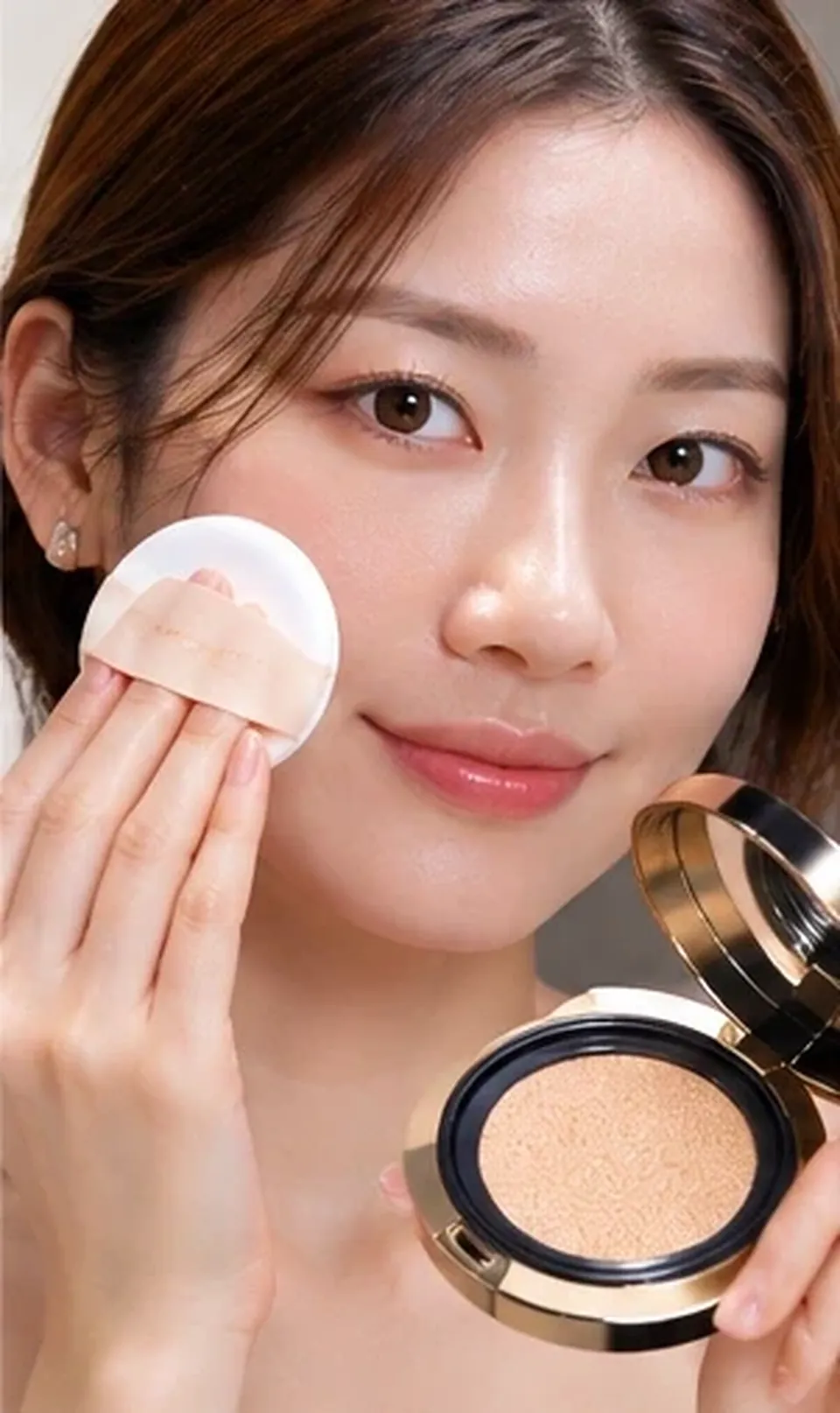
What a luxury Korean facial sunscreen is
A luxury Korean facial sunscreen is a daily sun-protection cream made for the face, formulated in South Korea by a prestige house and designed to feel closer to a skincare step than to a beach product. The Korean word is seonkeurim, a contraction of the words for sun and cream, and in Seoul it is considered the single most important product of the morning.
What separates the high end from the supermarket shelf is mostly the finish. Prestige formulas aim for a cream that spreads without dragging, leaves no chalky veil and sits comfortably beneath makeup. Many also borrow botanical extracts, fermented ingredients or traditional herbal complexes from the same research that feeds the house's serums.
It helps to remember that a facial sunscreen is a cosmetic that reduces exposure to ultraviolet light on the skin. It does not replace shade, a hat or sensible habits at midday, and it should be used according to the maker's instructions.
Why Korea treats facial sun protection as a ritual
In Korea, daily sunscreen is not seasonal. Commuters, students and office workers apply it every morning, including in winter and on cloudy days, because ultraviolet light reaches the skin in most weather. That habit has pushed Korean laboratories to compete on pleasant textures, since a cream people dislike is a cream people skip.
The country's sun-care labelling also uses the PA scale alongside SPF. SPF mainly describes protection against UVB, while the PA plus signs describe protection against UVA. Reading both on a pack tells you far more than a single number does.
Premium Korean brands such as Sum37° and Sulwhasoo sit within a culture where skin is looked after patiently, year-round, with layers that each do one job. A refined seonkeurim is simply the layer that faces the daylight, and a luxury Korean facial sunscreen is the version of that layer built for people who want elegance as well as discipline.
Another reason the category thrives is gift culture and travel retail: a premium Korean face sunscreen is often chosen as a considered present, which keeps the packaging, the pump or the jar at a high standard.
Textures and filters in a premium Korean face sunscreen
Sun filters fall broadly into two families. Mineral filters, such as zinc oxide and titanium dioxide, sit on the skin and reflect light. Chemical, or organic, filters absorb ultraviolet energy and release it as heat. Many Korean formulas combine both families to balance comfort with breadth of coverage.
When you compare creams, look at the feel rather than the promise:
- Silky cream: a soft, slightly cushioned texture for normal to dry complexions.
- Milky emulsion cream: lighter, spreading thinly over combination skin.
- Soothing botanical cream: often built around centella or green tea for easily flushed faces.
- Radiance cream: a soft pearly finish that gently evens the look of the complexion.
The same logic applies to any high-end Korean facial sun protection: the best choice is the one you will actually wear every single morning, in a sensible amount, without discomfort.
Whichever you choose, the ingredient list on the box is the only reliable source. Names and concentrations vary by product and by market, so read the label of the exact item you hold.
Choosing a high-end Korean facial sun protection for your skin
Start with your skin's everyday behaviour. If it feels tight by midday, a richer cream with humectants such as glycerin or hyaluronic acid will be kinder. If it turns shiny by lunchtime, a gel-cream or a milky emulsion is more sensible.
Sensitive skin deserves extra caution. Fragrance and essential oils are the most common triggers, and some people react to particular chemical filters. Many people with reactive skin prefer mineral-led formulas, although tolerance is individual. A patch test on the inner forearm or behind the ear, repeated for a few days, is a reasonable first step.
If you have a skin condition, are pregnant, or take medicines that increase light sensitivity, ask a doctor or pharmacist which products suit you before buying anything.
The Korean order of application
The classical Korean routine moves from thin to rich. After cleansing, toner, essence, serum and a moisturiser, the sunscreen comes last among skincare steps and just before makeup. Giving the moisturiser a minute to settle prevents the cream from pilling.
Most manufacturers recommend a generous layer. A practical guide often cited is roughly two finger lengths of cream for face and neck, although you should follow the instructions printed on your own pack. Warm the product between your fingertips, press it over the cheeks, forehead and nose, then smooth outwards.
Do not forget the ears, the sides of the neck, the eyelids if the label allows it, and the hairline. These zones are the ones most often missed.
Common mistakes with a facial sunscreen
The most frequent error is applying too little, which means the real protection falls well below the figure printed on the box. The second is applying once at breakfast and never again, even after a long day outdoors, swimming or heavy sweating.
Other habits to avoid:
- Layering sunscreen under a thick, oily night cream, which makes it slide.
- Keeping a tube in a hot car, where heat can degrade the formula.
- Using a pot that has passed the open-jar symbol on the pack.
- Believing that makeup with a stated SPF is enough on its own.
An evening double cleanse is also important. Water-resistant creams cling to the skin, and a Korean oil or balm cleanser followed by a gentle foaming wash is the usual way to remove them thoroughly.
Storage, texture and shelf life
A luxury Korean facial sunscreen is a fine emulsion, and emulsions dislike extremes. Keep the tube capped, away from radiators and direct light, and wipe the nozzle clean before closing it. If the cream separates, smells sharp or changes colour, stop using it.
Check the small open-jar icon with a number of months beside it. It tells you how long the product stays in good condition once opened. Prestige jars usually include a spatula, which is a hygienic habit worth keeping.
A premium Korean face sunscreen that has been stored well keeps its slip and its scent, whereas a neglected one tends to feel greasy or grainy.
When travelling, carry a smaller sample or a travel size. A tube that has been warmed and cooled repeatedly on a plane or in a beach bag ages faster than one kept at home.
Frequently asked questions
Is a premium Korean sunscreen different from a standard one?
The main differences are texture, finish and the care taken over comfort. Protection depends on the filters, the quantity applied and the rating shown on the label, not simply on the price of the cream.
Can I wear a Korean facial sunscreen under makeup?
Yes, that is the usual place for it. Apply it after your moisturiser, wait a minute or two until it feels settled, and then continue with foundation or a cushion.
How often should I reapply it?
Manufacturers generally advise reapplying after prolonged exposure, swimming or heavy perspiration. Follow the directions on your product and avoid sitting in intense midday sun for long periods.
Does it suit sensitive skin?
Some formulas are designed for reactive complexions, but tolerance varies. Choose a fragrance-free cream when possible, test a small area first and seek professional advice if you are unsure.
Do I need it indoors?
Daylight passing through windows can still carry ultraviolet light, so many Korean routines keep sunscreen as a daily habit. Your doctor can give personal advice if you have a particular concern.
Resources to explore further
Sum37° official website
Sum37°'s international home page, where its sun-care and skincare ranges can be browsed by the Korean house itself.