
Luxury Korean Shampoo (Syampu): Cleansing Hair with Skincare Logic
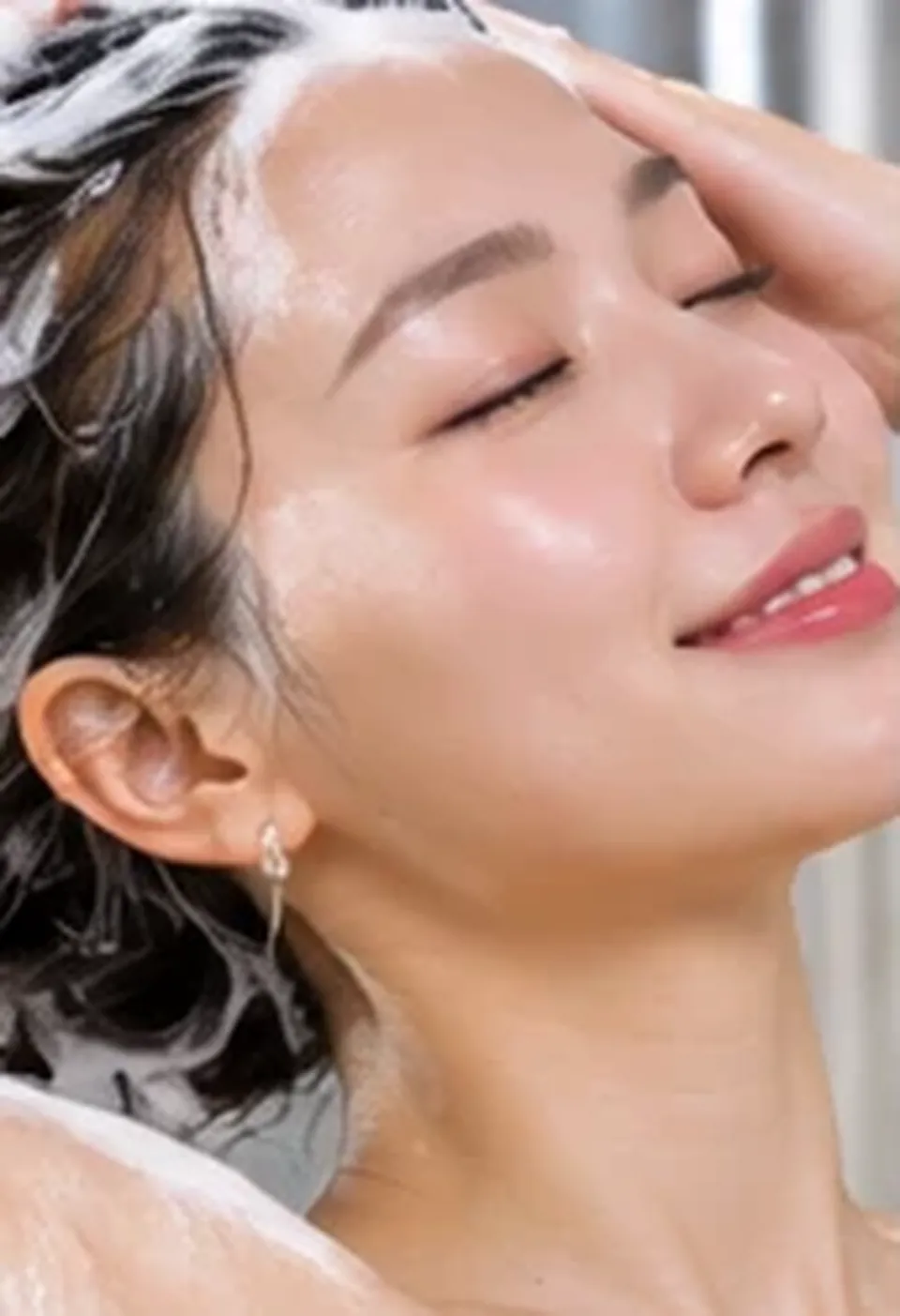
What a luxury Korean shampoo is
A luxury Korean shampoo is a prestige hair cleanser from a high-end Korean house, formulated to wash the hair and scalp while treating the experience with the same care as a facial cleanser. The Korean word syampu (샴푸) is simply the local rendering of the English term, and it appears on packaging throughout Seoul's department stores and boutiques.
The defining idea is that the scalp is skin. Korean beauty culture has long considered the scalp an extension of the face, and its luxury shampoos are designed accordingly: a cleansing base that is meant to be gentle, a texture that spreads easily, and a fragrance and foam that make the wash feel like a short treatment rather than a chore.
This gives the category a different personality from many Western shampoos, which are often defined by what they do to the hair shaft. A premium Korean formula looks first at the scalp, trusting that comfortable skin is the base for hair that looks healthy.
Scalp-first thinking in Korea
Walk into a Korean pharmacy or beauty counter and you will see scalp care given real shelf space. Hair loss concerns, oiliness, flaking and tightness are everyday conversation topics, and consumers expect brands to address them with sensible formulas.
Luxury houses respond with shampoos that are positioned by scalp condition as much as by hair type. One may be conceived for an oily crown, another for a dry or sensitive scalp, a third for fine hair that loses volume easily. Reading these positioning statements closely is the best guide to choosing.
It is worth keeping expectations realistic. A shampoo cleanses; it does not treat a medical condition. Persistent itching, scaling or sudden shedding deserves a consultation with a doctor or a dermatologist rather than a change of bottle.
Formulas, textures and typical ingredients
Prestige Korean shampoos come in several forms: a classic liquid, a creamy lotion that lathers softly, a gel that foams richly, and occasionally a scrub-like or clarifying variant intended for occasional use. The textures are often noticeably more refined than those of everyday bottles.
The ingredient lists differ from brand to brand, so rely on the label of the bottle in your hands. In general, the families you may meet are:
- Mild surfactants intended to clean without stripping.
- Humectants and conditioning agents that leave the hair easier to comb.
- Botanical extracts associated with Korean tradition, such as ginseng, camellia or green tea.
- Amino-acid or protein-type ingredients in formulas for fragile hair.
- Soothing agents aimed at comfort on a sensitive scalp.
Fragrance is usually a feature at this level. If you are fragrance-sensitive, look for a lightly scented or unscented option.
How to wash with a Korean hair cleanser
Technique is half of the result, and Korean routines are quite methodical about it. A Korean hair cleanser is meant to be used on the scalp first, not rubbed along the lengths.
- Brush the hair gently to remove tangles and loosen surface residue.
- Wet the hair thoroughly with lukewarm water, as very hot water can feel drying.
- Dispense a small amount into the palm and emulsify it with a little water.
- Massage it into the scalp with the pads of your fingers, never the nails, for a minute or so.
- Rinse generously until the water runs clear, letting the foam pass over the lengths.
A second wash is rarely necessary unless you have used a lot of styling products. Follow with a conditioner or treatment on the mid-lengths and ends only.
Matching the shampoo to scalp and hair
Begin with the scalp. If it becomes greasy within a day, a clarifying or balancing formula is a logical direction. If it feels tight or flaky, a hydrating or soothing shampoo is more appropriate. If your scalp is sensitive, prefer a gentle, minimal formula and avoid switching products too often.
Then consider the hair itself. Fine hair benefits from lightweight formulas that do not weigh it down, while thick, coarse or coloured hair usually appreciates richer, more nourishing cleansing. Heat styling and bleaching add dryness, which a conditioning shampoo can help to manage.
Keep in mind that Korea has a humid summer and a dry, cold winter, and many routines are adjusted by season. You might use a fresher formula in July and a more comforting one in January.
Judging a premium Korean shampoo
At the prestige level you are paying for formulation care, sensory finish and presentation. Check the house's own website to understand what each shampoo is meant to do. Houses such as AMOREPACIFIC publish hair and body ranges, which makes it easier to compare intended uses before you buy.
Examine the foam: a good luxury formula should lather evenly with little effort. Notice how the hair feels when dry rather than when wet. Pay attention to how your scalp feels the next day, since comfort is the real test.
Always look for a clear ingredient list, a batch code and a period-after-opening symbol. Purchase from the brand or an authorised retailer, because imitations of beauty products do circulate and may not meet the same standards.
Frequent mistakes to avoid
Using too much product is the most common error. A modest amount, well emulsified, cleans better than a large dollop. Washing with very hot water, scratching with fingernails and skipping the rinse are other habits that undermine even an excellent bottle.
Another mistake is changing shampoo every week. The scalp needs time to adjust, so give a new product several uses before judging it, unless it causes irritation, in which case you should stop at once.
Finally, do not expect a shampoo to deliver dramatic or guaranteed changes. Treat it as the dependable first step of a routine that may also include a mask, a serum or a scalp treatment, each with its own role.
Allergy care and storage
Perfumed products can trigger reactions in some people. Before using a new luxury Korean shampoo for the first time, apply a little behind the ear or on the inner forearm, wait a day and watch for redness. Keep the product away from the eyes, and rinse thoroughly if it gets in.
In the bathroom, close the cap firmly after use, keep the bottle out of direct sunlight, and avoid leaving it in an area with strong heat swings. Do not dilute the contents in the bottle, as this can compromise preservation.
If you notice a change in colour, smell or texture, or if you have passed the period shown after opening, it is wise to replace it. Anyone who has a scalp condition, is pregnant or is unsure about an ingredient should ask a health professional before choosing a new product.
Frequently asked questions
What makes a Korean shampoo different from other premium shampoos?
Korean formulas usually treat the scalp as skin and place comfort first. The textures, foam and fragrance are also refined, so the wash feels closer to a facial ritual.
How often should I wash my hair with it?
That depends on your scalp and lifestyle. Many people wash every one or two days, while those with a dry scalp can wash less often. Follow the maker's instructions.
Is a luxury Korean shampoo suitable for coloured hair?
Some formulas are designed to be gentle on coloured or treated hair. Check the positioning on the bottle and ask your hairdresser if you are unsure.
Does it treat hair loss or dandruff?
A shampoo cleanses and cares for the scalp but does not cure medical conditions. If you see persistent flaking or shedding, consult a doctor or dermatologist.
Do I need a separate conditioner?
Usually yes. A conditioner or treatment applied to the mid-lengths and ends helps keep hair manageable, and the shampoo should concentrate on the scalp.
Resources to explore further
AMOREPACIFIC: hair and body care
The hair and body section of AMOREPACIFIC, presented by the brand.