
Luxury Korean Nourishing Cream (Yeongyang Keurim) Explained
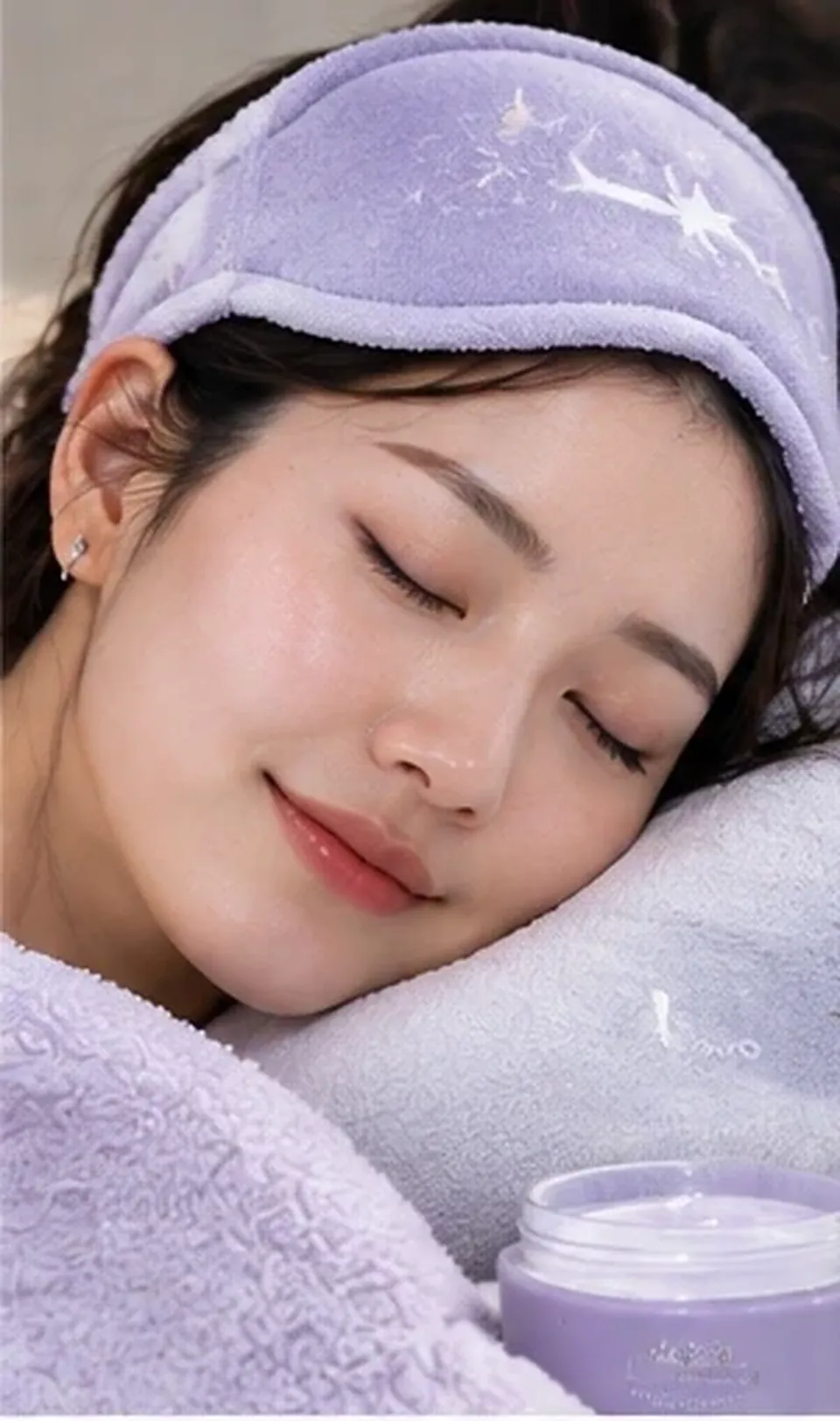
Defining the luxury Korean nourishing cream
A luxury Korean nourishing cream is a rich, lipid-forward face cream from a premium Korean brand, made to restore comfort to dry, tight or weathered skin. In Korean, yeongyang means nutrition, and a yeongyang keurim is the cream you reach for when plain hydration is not enough.
The key distinction is between water and oil. Hydrating products add or attract water. A nourishing cream adds lipids, the fatty substances that help the skin surface stay supple and protected. This is why a rich Korean nourishing cream feels heavier, smoother and more cushioning than a light moisturiser.
In the luxury tier, richness is combined with refinement. The formula is balanced so that the cream feels indulgent without turning greasy, and the fragrance, jar and spatula all belong to the same experience of slow, attentive care.
It also helps to remember that the word cream covers a wide spectrum in Korea. Some are airy and almost milky, others are thick enough to hold the shape of the spatula, and the nourishing family sits firmly at the dense end of that range.
A place for richness in a Korean routine
Korean skincare is famous for lightness, so a deliberately rich cream may seem like an exception. In practice it is a seasonal or situational tool. When winter heating, travel or a cold wind leaves the cheeks rough, the routine keeps its watery layers and swaps the final cream for something more substantial.
The yeongyang keurim is therefore the last step, applied after toner, essence and serum. It can be used all over or only on the driest zones, such as cheeks, around the mouth and the sides of the nose.
- Evening, to support the skin overnight.
- Cold or windy days, before going out.
- After a flight or a long day in air conditioning.
Korean tradition also values balance. If the skin becomes congested, the answer is to return to a lighter product, not to push on with the richest jar.
Ingredients found in a premium Korean nourishing cream
A premium Korean nourishing cream is typically built on emollients and occlusives. Shea butter, squalane, jojoba and camellia oil add softness. Ceramides and cholesterol resemble the skin's own lipids. Beeswax or plant waxes help create a protective film, while glycerin keeps a little water in the mix.
On top of this base, the maker of a rich Korean nourishing cream adds its signature: ginseng, fermented grains, honey and propolis, or herbal extracts such as mugwort and lotus. These are plant-led references that give a Korean cream its identity, though the concentration and combination differ from one product to another.
A rich formula can contain more fragrance and plant extracts than a minimal moisturiser, which is worth remembering if you have allergies. Read the printed list on the carton, and consult a healthcare professional if you have reacted to cosmetics in the past.
Many Korean houses also pay close attention to fermentation, which is believed to make plant materials gentler and more skin-friendly. Whether or not a given ferment makes a measurable difference, it features prominently in the stories told around premium jars, and it is worth noticing when a label names the material that has been fermented.
Texture, melt and finish of a luxury Korean nutrition cream
A luxury Korean nourishing cream is denser than everyday jars. The best ones melt on contact with the warmth of the fingers and spread without tugging, then leave a soft, cushioned veil instead of a slippery layer. A butter-like body, a whipped cream or a thick, silky gel-cream are all common formats.
Absorption time is a useful test. A well-made rich cream settles in within a few minutes, while a poorly balanced one stays on the surface and transfers to the pillow or to clothing. Test in the shop on the back of the hand and check again after ten minutes.
Remember that skin in a warm bathroom feels different from skin in a cold bedroom. Judge the texture in the conditions in which you will use it.
Which skin benefits from a Korean nourishing cream
Very dry, mature, chapped or weather-exposed skin is the natural audience for a luxury Korean nourishing cream. Skin that feels tight after cleansing, flaky despite regular hydration or dull in winter often benefits from the extra lipids.
Combination skin can use the cream only where it is dry. Oily and acne-prone skin should usually avoid heavy butters on the face, as they may feel clogging; lighter emulsions suit them better. Sensitive skin requires a patch test and a gradual introduction, following the manufacturer's directions.
If you are being treated for eczema, rosacea or any other skin condition, speak to your doctor or dermatologist before using a rich scented cream. Ingredients that feel luxurious may not be appropriate for compromised skin.
How to apply yeongyang keurim for comfort
Less is more with yeongyang keurim. A small amount, around the size of a pea for the face, is usually enough. Scoop it with the spatula, warm it between the palms and press it onto the face in sections.
- Start with the cheeks, pressing rather than rubbing.
- Add a thin extra layer on the driest patches.
- Smooth any remainder over the neck and the backs of the hands.
- Leave a few minutes before applying makeup or going to bed.
For an extra comforting evening ritual, some people use a technique often called sandwiching: a thin layer of cream, a few drops of facial oil if the skin is very dry, then another thin layer of cream. Do this only if your skin tolerates the combination well.
Nights are the most natural moment for this routine, because nothing is going to be applied on top and the pillow case is the only thing that touches the face. Use an old pillowcase if you prefer, as rich creams can leave faint marks on fabric.
Choosing a premium Korean nourishing cream
Think about your climate and your skin before choosing a luxury Korean nourishing cream. A cream for a dry mountain winter is different from one for a temperate city. Established Korean luxury names such as Sulwhasoo, The History of Whoo and Amorepacific describe their richer creams on their official pages, which is the best place to compare textures and ingredients.
- Look for a stated period after opening and an intact seal.
- Prefer a jar with a spatula to protect the cream.
- Sample before buying, ideally over a week.
- Purchase through the brand or an authorised reseller.
Premium does not mean heavier. Some of the most refined formulas manage to feel nourishing while staying breathable.
Mistakes to avoid and care of the jar
Applying a thick layer over unprepared skin is the classic mistake: the cream cannot add water to a dry surface, so it sits on top. Another is using it on top of too many active products at once, which can overwhelm the barrier. A third is keeping the jar in a warm bathroom, where heat accelerates the ageing of oils.
Keep the lid closed, use the spatula and note the opening date. Discard the cream if the oils smell rancid, which is a sign of oxidation.
Finally, remember that nourishment is not a substitute for sun protection. Apply sunscreen in the morning according to its instructions, whatever cream lies beneath.
Frequently asked questions
Can I wear a Korean nourishing cream under makeup?
Yes, if you give it several minutes to settle and use a small amount. Choose a lighter texture if the cream tends to make makeup slide.
Is a nourishing cream suitable in summer?
It can be, if your skin is dry, but many people switch to a lighter product in hot, humid weather and keep the rich jar for the evening or for colder months.
What is the difference between a hydrating and a nourishing cream?
Hydrating creams focus on water, while nourishing creams add lipids to soften and protect. Many luxury formulas combine both in different proportions.
Could a rich cream cause breakouts?
It might on skin that is prone to congestion. Introduce it gradually, use a small amount, and stop if you notice new blemishes.
Resources to explore further
Sulwhasoo: Korean luxury skincare
Sulwhasoo's international home, showing its Korean creams and serums with ingredient and usage descriptions.