
Luxury Korean sun serum: a serum-textured seon sereom for daily wear
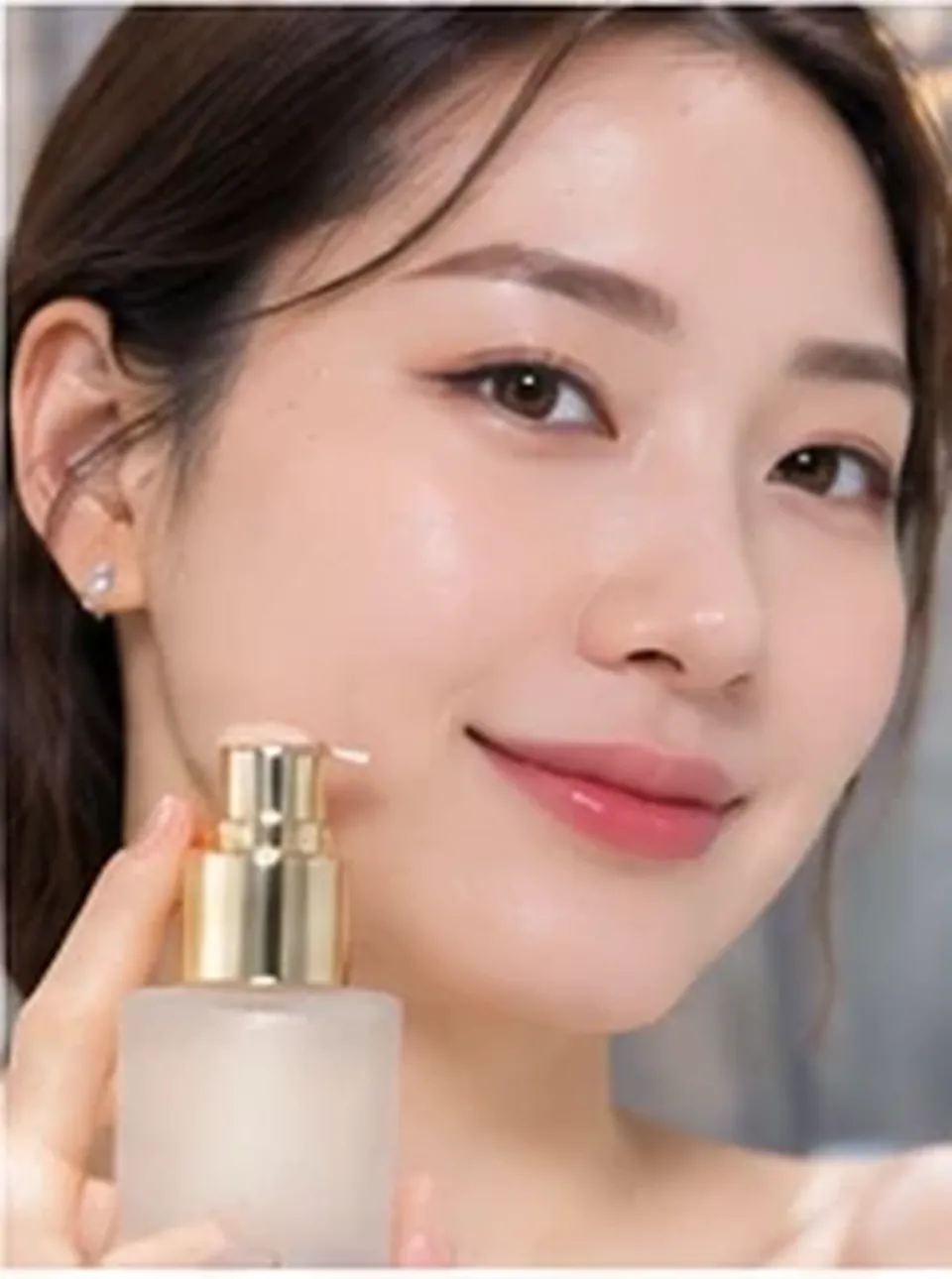
What a luxury Korean sun serum is
A luxury Korean sun serum is a daytime protective product with the feel of a serum: transparent or lightly milky, glossy rather than creamy, and often scented only faintly or not at all. In Korean it is called seon sereom, and it sits between a skincare essence and a classic sunscreen.
Houses at the prestige end of Korean beauty add their signature ingredients to such formulas, from ginseng and herbal extracts to fermented complexes and humectants. The aim is a sun product that behaves as part of the care routine, so that protection never feels like an obstacle to skincare.
A luxury Korean sun serum is not a gimmick of marketing; it answers a practical wish to wear fewer layers while keeping the glow that Korean skincare prizes. The format is relatively recent, and it has pushed prestige houses to rethink how a filter can be carried in a watery base.
Like all sun products it reduces exposure to ultraviolet light without removing it, and it must be used following the maker's instructions.
Why serum textures appeal to Korean consumers
In Seoul, a morning routine often has six or seven steps, and every extra layer must justify its place. A serum-like sunscreen merges two jobs into one gesture, which is why the idea took hold so quickly in the country's beauty culture.
Korean skincare also has a long tradition of ampoules and essences, so a serum-like texture feels familiar. Consumers are accustomed to dropper bottles, pumps and tiny quantities, which makes a premium Korean sunscreen serum an intuitive step rather than a novelty.
People who dislike the creamy film of traditional sunscreens find this format a relief. Its watery body glides across the face, dries down fast and avoids the heavy sensation that leads many to stop reapplying altogether.
A premium Korean sunscreen serum also tends to look beautiful on the skin, with a soft glow that suits the glass-skin ideal admired in Korea. That glow comes from the formula's emollients, not from any promise about the condition of your skin.
Ingredients to look for in a premium Korean sunscreen serum
Beyond the filters, which vary widely, a serum-type sunscreen can carry many supporting ingredients. Common examples in Korean skincare include:
- Hyaluronic acid and glycerin: humectants that attract water to the surface of the skin.
- Niacinamide: a vitamin B3 derivative frequently found in brightening and balancing formulas.
- Centella asiatica: a calming plant extract used heavily in Korean products.
- Ginseng and fermented extracts: signature elements of prestige Korean houses.
A good habit is to compare two or three bottles from different Korean houses and note what each emphasises: some stress hydration, others radiance, others calming plant extracts. The right choice for a high-end Korean sun serum depends on what your skin tolerates and enjoys, not on a single trending ingredient.
The presence of an ingredient does not guarantee a particular effect, and concentrations are rarely printed. Treat the list as information about what is in the bottle, not as a promise.
Matching a high-end Korean sun serum to your skin
Oily and combination complexions often love this format because it contains few heavy oils. Dry skin can enjoy it too, provided a moisturiser goes on first, since a serum-textured sunscreen is lighter than a cream.
Sensitive and reactive skin deserves a slower approach. Look for a fragrance-free version, test a small area daily for several days, and watch for stinging or redness around the eyes and nose. If irritation appears, stop and ask a healthcare professional.
Pregnancy and breastfeeding are other moments when many people review their products. Your doctor or midwife can tell you which filters and actives they would recommend, and the ingredient list on the box makes that conversation much easier.
Those undergoing dermatological treatments or taking medicines that increase light sensitivity should check with their doctor before choosing a new sun product, however gentle it may seem.
Where the serum fits in the Korean order of layers
The usual logic of Korean routines is to go from the thinnest texture to the richest. A serum-like sunscreen is thin, but it is still a sun product, which means it should be the last skincare step, just before makeup.
After cleansing, apply a toner and an essence, then any treatment serum and a light moisturiser. Wait a moment, dispense the sun serum in the amount stated by its maker, and pat it over the face in sections.
If you use a retinoid or an exfoliating acid in the evening, your morning sun product matters even more, because the skin may be more sensitive to light. Follow the directions of those treatments and of the sunscreen, and ask a professional when in doubt.
Leave it a minute to set. This pause prevents the pilling that can happen when foundation is applied onto a layer that is still wet.
Common mistakes with a sun serum
Because the texture feels like skincare, some people apply a tiny amount, as they would with an actual serum. That is the main reason for under-protection. Measure by the instructions, not by feel.
Other pitfalls include:
- Mixing it with a moisturiser or foundation in the palm, which dilutes the filters.
- Skipping the neck, ears and hairline.
- Assuming a glowing finish means a lighter application is enough.
- Forgetting evening removal because the product felt weightless.
A last common slip is to switch to a seon sereom for the first time on the day of a long outing. Try it for a few ordinary days first, so that you know how it feels, how it sits under makeup and how your skin reacts.
When in doubt, read the directions printed on the carton and follow them exactly. They are the only reliable source for the amount and the reapplication interval.
Evening removal, storage and shelf life
Even a feather-light formula must come off at night. A Korean double cleanse, with an oil or a balm first and then a gentle water-based wash, removes filters without scrubbing the skin.
Store the bottle upright with the cap closed, away from heat and strong light. Dropper formats are particularly sensitive to air and to contamination, so avoid touching the tip to the skin.
Note the open-jar symbol and its number of months, and replace the serum if its colour darkens, if it smells sharp or if the texture changes. A prestige glass bottle may be tempting to keep on a window sill, but a drawer is a better place.
Choosing between a sun serum and other formats
A cream gives the richest base, a fluid disappears the fastest and a stick offers portability. A premium Korean sun serum occupies the position of the most skincare-like option, suited to people who want to keep the routine short and the finish luminous.
If you tend to wear a lot of makeup, test the combination at home before an important day, because some glossy formulas can slip under a very dewy base. Press rather than rub, and allow a little drying time before foundation.
In short, a luxury Korean sun serum suits people who want protection that feels like care, and a seon sereom that you enjoy is one you will wear every morning.
Think too about the packaging: a pump delivers a repeatable dose, whereas a dropper requires attention. Prestige glass and tinted bottles look beautiful, but they are also practical protection for the formula against light.
Ultimately, the right choice is the one that is worn generously and consistently, within the limits of the manufacturer's guidance.
Frequently asked questions
Is a sun serum a real sunscreen?
Yes, provided it carries SPF and PA ratings and is sold as a sun-protection product. A skincare serum without such ratings does not protect against ultraviolet light.
Can I replace my moisturiser with it?
Some people do on oily days, but many complexions still need a moisturiser. Pay attention to how your skin feels by mid-afternoon and adjust.
Is it suitable for sensitive skin?
Tolerance varies from person to person. Choose a fragrance-free formula, test a small area first and consult a professional if you are unsure.
How much should I apply?
Use the quantity given in the manufacturer's directions. A serum feels light, so it is easy to apply too little, which lowers the protection.
Resources to explore further
Sum37° official website
The Korean house's official site, with its serums, emulsions and sun-care products presented by category.